
Split vs Full FL Residency: 5 Deciding Factors for Metro Detroit Snowbirds
Free to compare
Why the 183-Day Rule Doesn't Always Mean You Must Register in Florida
Florida law requires vehicle registration if you establish residency, which typically means staying more than 183 days per year. The confusion starts because residency for vehicle registration purposes isn't identical to residency for tax or voting purposes.
You can spend seven months in Tampa Bay, own a condo there, and still legally register your vehicle in Michigan if you maintain a permanent Michigan address, file Michigan state taxes, hold a Michigan driver's license, and vote in Michigan. Florida defines a resident as someone who enrolls children in public school, accepts employment, or declares a Florida homestead exemption — not just someone who stays through the winter.
The problem is enforcement inconsistency. A Florida officer who stops a Michigan-plated driver in April and learns they've been in Florida since November may issue a citation requiring Florida registration within 30 days. Challenging that citation requires proving your legal domicile remains Michigan, which means bringing tax returns, voter registration, and property records to a hearing most snowbirds would rather avoid.

How Your Property Ownership Structure Changes the Registration Requirement
Owning property in both states creates a residency decision point most renters never face. If you claim a Florida homestead exemption on your Tampa Bay property, you've declared Florida your permanent residence for tax purposes — and that declaration legally requires Florida vehicle registration regardless of how many days you spend there.
Michigan snowbirds who own a winter condo but keep their homestead exemption in Metro Detroit maintain stronger legal standing to register in Michigan. The homestead exemption is the single clearest residency signal both states recognize, and changing it has tax consequences beyond vehicle registration.
If you rent in Florida and own only in Michigan, your registration decision is purely practical: stay Michigan-plated and accept that some carriers won't write the policy once they learn about the Florida winters, or switch to Florida registration and pay Florida rates year-round. No legal requirement forces the change if you're renting, but your carrier's underwriting rules might.

Which Carriers Will Insure a Michigan-Registered Vehicle Spending Winters in Florida
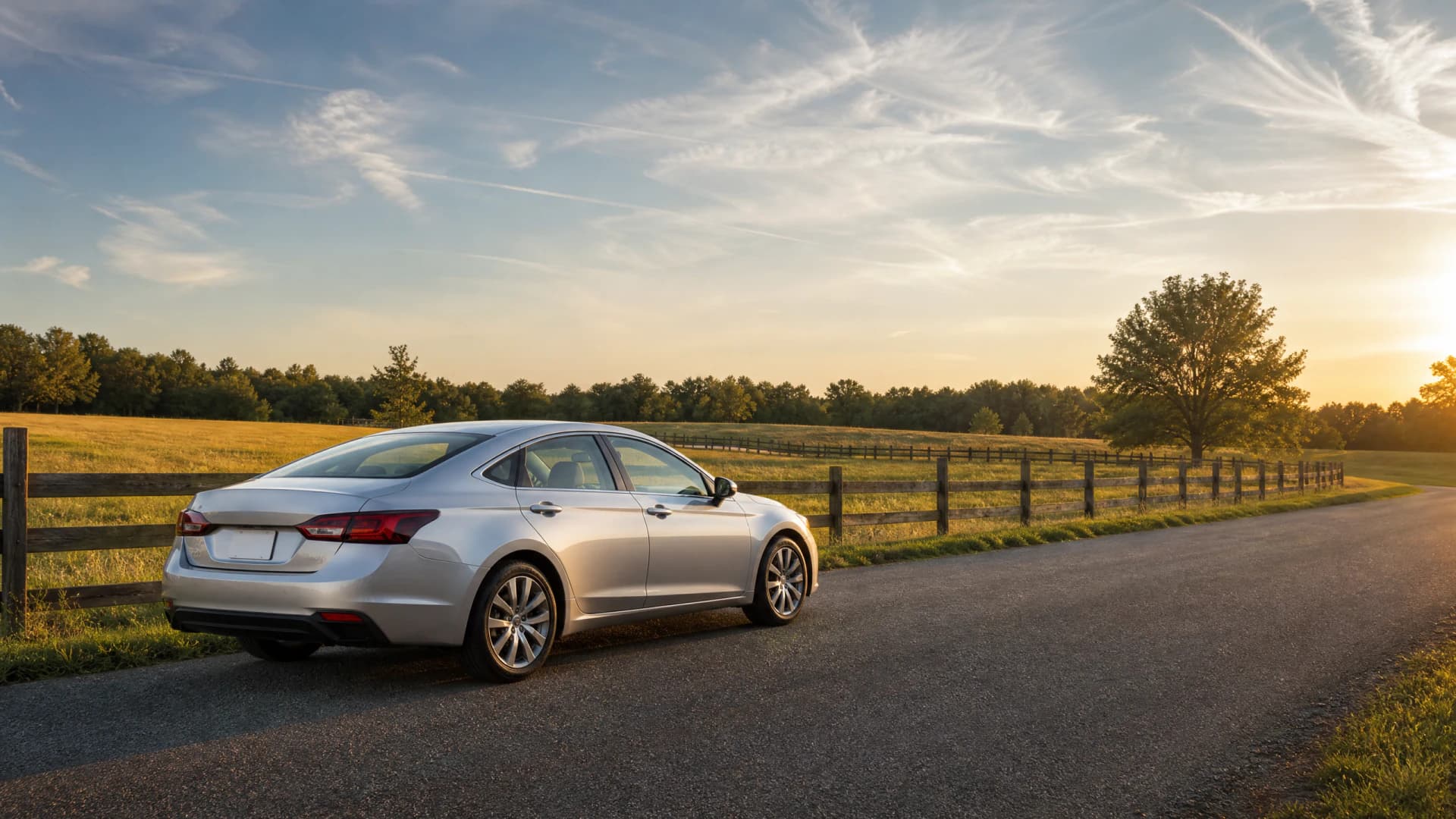
Most national carriers — State Farm, Progressive, Allstate, GEICO — will insure a Michigan-registered vehicle that spends five to six months per year in Florida, but they require disclosure of the Florida address and will usually rerate the policy based on Florida ZIP code risk during the winter months. Failing to disclose the seasonal address is misrepresentation and gives the carrier grounds to deny a claim.
The carrier adds the Florida address as a garaging location, which means your collision and comprehensive premiums reflect Tampa Bay theft rates and storm risk from November through April, then switch back to Michigan rating for the summer months. This dual-rating structure typically increases annual premiums 15–25% compared to a year-round Michigan policy.
Some regional Michigan carriers — Auto-Owners, Frankenmuth, Michigan Farm Bureau — won't write policies for vehicles spending more than 90 consecutive days out of state. If you've been with the same Michigan carrier for decades and suddenly disclose a six-month Florida stay, they may non-renew the policy at the next term. That non-renewal isn't a penalty — it's an underwriting rule you likely violated unknowingly for years.

Get Covered in Both of Your Home States
Compare Snowbird Auto Insurance RatesWhat Happens to Your Rate When You Add a Florida Garaging Address
Adding a Tampa Bay garaging address to a Michigan-registered policy increases premiums because Florida is a no-fault state with higher liability minimums, higher uninsured motorist rates, and significantly higher comprehensive claim frequency due to hurricane and theft risk. A 68-year-old driver with a clean record in Bloomfield Hills paying $95/mo might see that increase to $115–$125/mo once a St. Petersburg winter address is added.
The increase isn't uniform across carriers. GEICO and Progressive typically rerate month-by-month based on disclosed garaging location, while State Farm and Allstate often apply a blended annual rate that averages both locations. The blended approach is simpler but usually more expensive if your Michigan address is low-risk.
If you switch to full Florida registration and a Florida policy, expect rates 20–35% higher than your Michigan premium, even if your driving record is identical. Florida's no-fault system, higher minimum PIP requirements, and greater storm risk make it one of the most expensive states for drivers over 65. Estimates based on available industry data; individual rates vary by driving history, vehicle, coverage selections, and exact ZIP code.

How to Maintain Continuous Coverage During the Transition Between States
The riskiest period is the two-week window when you're changing registration from Michigan to Florida or vice versa. If you cancel your Michigan policy before your Florida policy is active, you create a coverage gap — and a gap of even three days can trigger a lapse surcharge that increases your rate 10–20% for the next three years.
The correct sequence: purchase the Florida policy with an effective date matching your planned registration date, then cancel the Michigan policy the same day the Florida policy activates. Most carriers allow you to set a future effective date up to 30 days out, which gives you time to complete the registration change at the Florida DMV without rushing.
If you're keeping Michigan registration but updating your garaging address for winter, call your carrier 10–14 days before you leave for Florida and request the address change effective the date you arrive. The carrier will send an updated declaration page showing both addresses, which serves as proof of proper disclosure if a claim occurs in Florida. Verbal disclosure isn't enough — get the updated dec page in writing and keep a copy in the vehicle.
Frequently Asked Questions
Can I keep my Michigan car insurance if I spend six months in Florida?
Yes, if you maintain Michigan as your legal domicile — meaning you keep a Michigan homestead exemption, file Michigan taxes, and hold a Michigan driver's license. You must disclose the Florida address to your carrier, who will rerate your policy to reflect the seasonal risk in both states. Some Michigan regional carriers won't allow more than 90 consecutive days out of state and may non-renew your policy.
What triggers a requirement to register my car in Florida as a snowbird?
Claiming a Florida homestead exemption, enrolling dependents in Florida schools, or accepting Florida employment triggers mandatory Florida registration. Simply staying more than 183 days doesn't automatically require registration if you maintain legal domicile in Michigan, but a Florida officer may challenge your out-of-state plates and you'll need tax returns and voter registration to prove Michigan residency.
How much does my car insurance increase when I add a Florida winter address?
Most snowbirds see premium increases of 15–25% when adding a Tampa Bay garaging address to a Michigan policy, due to Florida's no-fault system, higher uninsured motorist rates, and storm risk. Switching to a full Florida policy typically costs 20–35% more than a comparable Michigan policy. Estimates based on available industry data; individual rates vary by driving history, vehicle, coverage selections, and exact location.
Do I need to tell my car insurance company I'm spending winters in Florida?
Yes — failing to disclose a seasonal address is misrepresentation and gives your carrier legal grounds to deny a claim that occurs in Florida. Most carriers require disclosure of any garaging location where the vehicle is kept for more than 30 consecutive days. You'll receive an updated declaration page showing both addresses once the carrier processes the change.
Related Articles

Michigan Snowbird Florida Registration Rules Explained
5/19/2026

Split vs Full FL Residency: 5 Factors for Snowbirds
4/26/2026

Split vs Full FL Residency: Guide for MI Snowbirds
4/26/2026

Split vs Full FL Residency: 5 Snowbird Factors
4/26/2026

Split vs Full Florida Residency: Snowbird Guide
4/26/2026

Split vs Full FL Residency: Guide for MI Snowbirds
4/26/2026