
Split vs Full FL Residency: 5 Factors for Jersey Shore Snowbirds
Free to compare
Why the 183-Day Rule Doesn't Protect You From Florida Registration Requirements
Florida Statute 320.02 requires you to register your vehicle in Florida within 10 days of becoming a resident, but the statute defines residency through six specific criteria — not a simple day count. You trigger Florida residency for vehicle purposes if you file for homestead exemption on a Florida property, register to vote in Florida, file for in-state tuition, or declare Florida residency on legal documents.
Most Jersey Shore snowbirds spend exactly 4 to 5 months in Cape Coral or Fort Myers, assuming the 183-day threshold keeps them safe. It doesn't. If you claim homestead exemption to reduce your Florida property taxes — and most snowbird property owners do — you've declared Florida as your permanent residence on a sworn document, which means your vehicle must be registered in Florida regardless of how many days you actually spend there.
New Jersey allows you to maintain registration there only if Florida is not your domicile. The conflict arises when your homestead filing says Florida is your permanent home while your vehicle registration says New Jersey is. One document contradicts the other, and Florida enforcement increasingly uses property tax records to identify snowbirds driving on out-of-state plates with Florida homestead exemptions.

What Happens to Your Auto Insurance Rate When You Switch to Florida Registration
Florida operates as a no-fault state requiring personal injury protection coverage, while New Jersey uses a choice no-fault system with different minimum liability limits. Switching your registration and policy to Florida typically increases your premium if you're 65 or older, but the amount varies dramatically by ZIP code within the Cape Coral and Fort Myers area.
Senior drivers with clean records in New Jersey coastal counties pay approximately $110 to $150 per month for full coverage. The same driver registered in Cape Coral or Fort Myers pays $140 to $210 per month for equivalent coverage due to Florida's higher uninsured motorist rates, severe weather exposure, and PIP claim costs. The gap widens after age 70 — Florida carriers apply larger age-based rate increases than New Jersey carriers for drivers over 70, particularly in coastal counties with hurricane exposure.
You lose your New Jersey good driver discount structure when you move your policy to Florida. New Jersey mature driver discounts average 5 to 10 percent for drivers who complete defensive driving courses, while Florida's state-mandated mature driver discount is capped at 10 percent and requires carrier-specific course completion every three years. Most snowbirds discover the rate increase only after they've already filed for homestead and triggered the registration requirement.
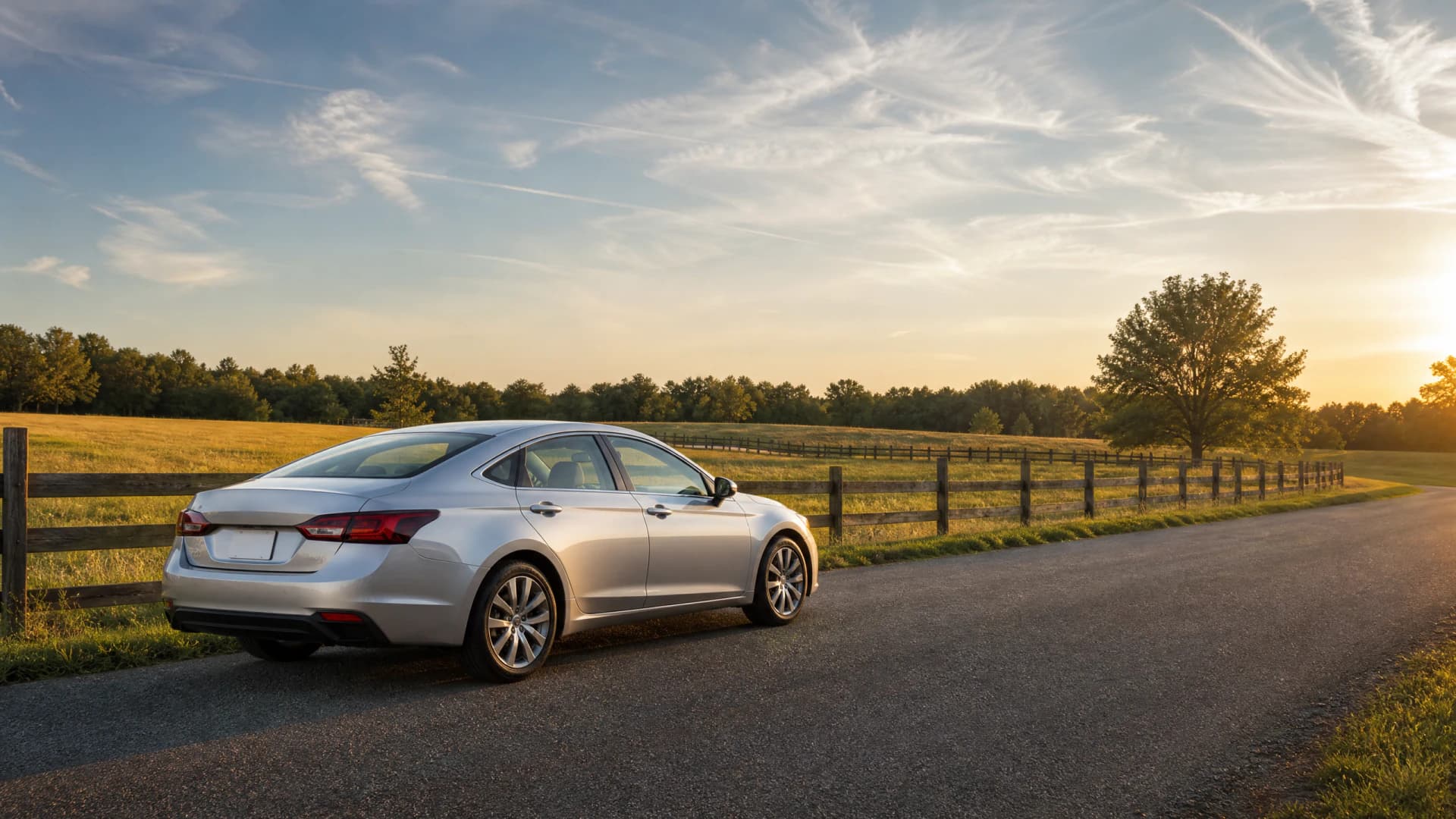

How Homestead Exemption Filing Forces Your Hand on Vehicle Registration
Florida's homestead exemption reduces your property tax bill by up to $50,000 in assessed value, which saves most Cape Coral and Fort Myers property owners $800 to $1,400 annually. You qualify only if Florida is your permanent residence as of January 1 of the tax year, and the application requires you to declare under penalty of perjury that Florida is your primary home.
That declaration is the tripwire. Once filed, you've established legal domicile in Florida for all purposes — vehicle registration, driver license, jury duty, and income tax nexus if applicable. You can't simultaneously claim permanent residence in Florida for tax purposes and New Jersey for vehicle registration purposes. Florida statute allows law enforcement to cite you for operating an unregistered vehicle if your homestead filing contradicts your out-of-state plates, and the fine is $164 for a first offense.
Most snowbirds file for homestead during their first full winter in Florida without understanding it ends their ability to maintain New Jersey registration legally. The property tax savings almost always exceed the auto insurance rate increase, but the switch must happen together — homestead filing, Florida driver license, and Florida vehicle registration within the same 30-day window to avoid the gap where you're driving illegally on New Jersey plates with a Florida-domiciled homestead.

Get Covered in Both of Your Home States
Compare Snowbird Auto Insurance RatesThe Two-Policy Strategy and Why Most Carriers Won't Write It
Some snowbirds attempt to maintain separate policies in each state — a New Jersey policy covering May through October and a Florida policy covering November through April. This approach fails for two reasons: most carriers prohibit it in their underwriting rules, and it creates a coverage gap during your drive between states that leaves you uninsured if a claim occurs in transit.
Carriers including State Farm, Progressive, and Allstate require you to notify them of any address change lasting more than 30 days and will re-rate your policy to the state where the vehicle is physically garaged. If you maintain two policies simultaneously without disclosing the arrangement to both carriers, you've misrepresented your garaging location on both applications, which gives both carriers grounds to deny claims and cancel coverage for material misrepresentation.
The correct approach is a single year-round policy with your legal state of domicile as the garaging address and a notification to your carrier that you drive the vehicle seasonally to a second state. Most major carriers will cover this arrangement without requiring two policies, but they'll rate the policy based on your declared state of domicile. That means if you establish Florida domicile through homestead filing, your policy must be a Florida policy rated at Florida's higher premiums even during the months you're back in New Jersey.

When Split Residency Actually Works: The Rental Property Exception
You can legally maintain New Jersey residency and vehicle registration while owning Florida property only if you do not claim homestead exemption and you treat the Florida property as a second home or rental property rather than your permanent residence. This requires you to keep your New Jersey driver license, register to vote only in New Jersey, and file your federal tax return using your New Jersey address as your primary residence.
Under this structure, your auto insurance remains a New Jersey policy with lower senior driver rates, and you notify your carrier that you drive the vehicle to Florida seasonally for personal use. Most carriers will not increase your rate for seasonal out-of-state use if your garaging address and legal residence remain in New Jersey. You lose the Florida homestead property tax savings, which typically cost you $800 to $1,400 annually, but you avoid the auto insurance rate increase of $360 to $720 annually for most senior drivers in the Cape Coral and Fort Myers area.
The math favors split residency only if your Florida property taxes after exemption would be low enough that the homestead savings don't exceed your expected insurance rate increase. For most snowbirds owning property valued above $250,000 in Cape Coral or Fort Myers, the homestead savings outweigh the insurance cost, which makes full Florida residency the financially correct choice despite the higher auto insurance premiums.
Frequently Asked Questions
Can I keep my car registered in New Jersey if I own a home in Florida but spend less than 6 months there?
You can keep New Jersey registration only if you do not claim Florida homestead exemption, register to vote in Florida, or declare Florida as your permanent residence on any legal document. The 6-month threshold is widely misunderstood — Florida residency for vehicle registration is determined by where you establish legal domicile through tax filings and voter registration, not by counting days.
Does my New Jersey auto insurance policy cover me while I'm driving in Florida for the winter?
Yes, if you notify your carrier that you drive seasonally to Florida and maintain New Jersey as your legal residence and garaging address. Your policy will cover you in Florida under the same terms, but you must inform your carrier of the seasonal arrangement — failure to disclose a 4-month address change can be treated as material misrepresentation if a claim occurs.
How much does auto insurance increase when I switch from New Jersey to Florida registration?
Senior drivers with clean records typically see monthly premium increases of $30 to $60 when moving from New Jersey coastal counties to Cape Coral or Fort Myers, with total costs rising from approximately $110–$150/mo to $140–$210/mo for equivalent full coverage. The increase is steeper for drivers over 70 due to Florida's higher age-based rating factors.
What happens if I get pulled over in Florida with New Jersey plates and a Florida homestead exemption?
You can be cited for operating an unregistered vehicle under Florida Statute 320.02, which carries a $164 fine for a first offense. Law enforcement and tax authorities increasingly cross-reference homestead exemption filings with vehicle registrations to identify snowbirds whose legal domicile contradicts their out-of-state plates.
Related Articles

Split vs Full FL Residency: 5 Factors for NJ Snowbirds
4/26/2026

Split vs Full FL Residency: 5 Factors for Snowbirds
4/26/2026
Split vs Full FL Residency: 5 Factors for Snowbirds
4/26/2026

Split vs Full FL Residency: Guide for NJ Snowbirds
4/26/2026

Split vs Full FL Residency: Snowbird Insurance Guide
4/26/2026

Split vs Full FL Residency for NJ Snowbirds | 5 Factors
4/26/2026