
Split Residency vs Full NC Residency: 5 Deciding Factors
Free to compare
What Actually Triggers Mandatory North Carolina Vehicle Registration
North Carolina law requires vehicle registration once you establish a domicile in the state OR maintain a vehicle here for more than 6 consecutive months within a 12-month period. The 6-month threshold is strict: it's measured as 183 days of physical presence for the vehicle, not the owner's declared tax residency or voter registration.
Most snowbirds moving between Boston metro and Pinehurst cross the 183-day threshold between their second and third winter season. If you arrive in early October and depart in late April, that's roughly 200 days per season. North Carolina DMV enforcement has increased since 2021, with local police in Moore County and surrounding Pinehurst areas running Massachusetts plates against property tax records.
The registration trigger is independent of insurance. You can maintain Massachusetts registration while carrying a North Carolina insurance policy if your vehicle stays garaged in Massachusetts more than 6 months per year. But most carriers won't write a policy with a garaging address that doesn't match your registration state for more than 60 days without documentation.

How Massachusetts vs North Carolina Registration Affects Your Premium
The average 70-year-old driver with a clean record pays $95–$140/mo for full coverage in North Carolina and $145–$210/mo for identical coverage in Massachusetts. The gap widens after age 75, when Massachusetts urban rating territories price in higher medical severity costs.
North Carolina uses a state-regulated rate structure that caps age-based increases after 65. Massachusetts allows competitive pricing with fewer restrictions on senior driver surcharges. If you maintain Massachusetts registration while spending 7 months in Pinehurst, you're paying the higher Massachusetts rate for a vehicle that's exposed to North Carolina risk most of the year.
Switching registration to North Carolina before you meet the legal 183-day threshold creates a different problem. If you file a claim while the vehicle is garaged in Massachusetts during your summer stay, the carrier can deny coverage based on material misrepresentation of garaging location. This happened to 3 snowbird policyholders with Liberty Mutual in 2022, all involving summer claims filed while vehicles were in New England.
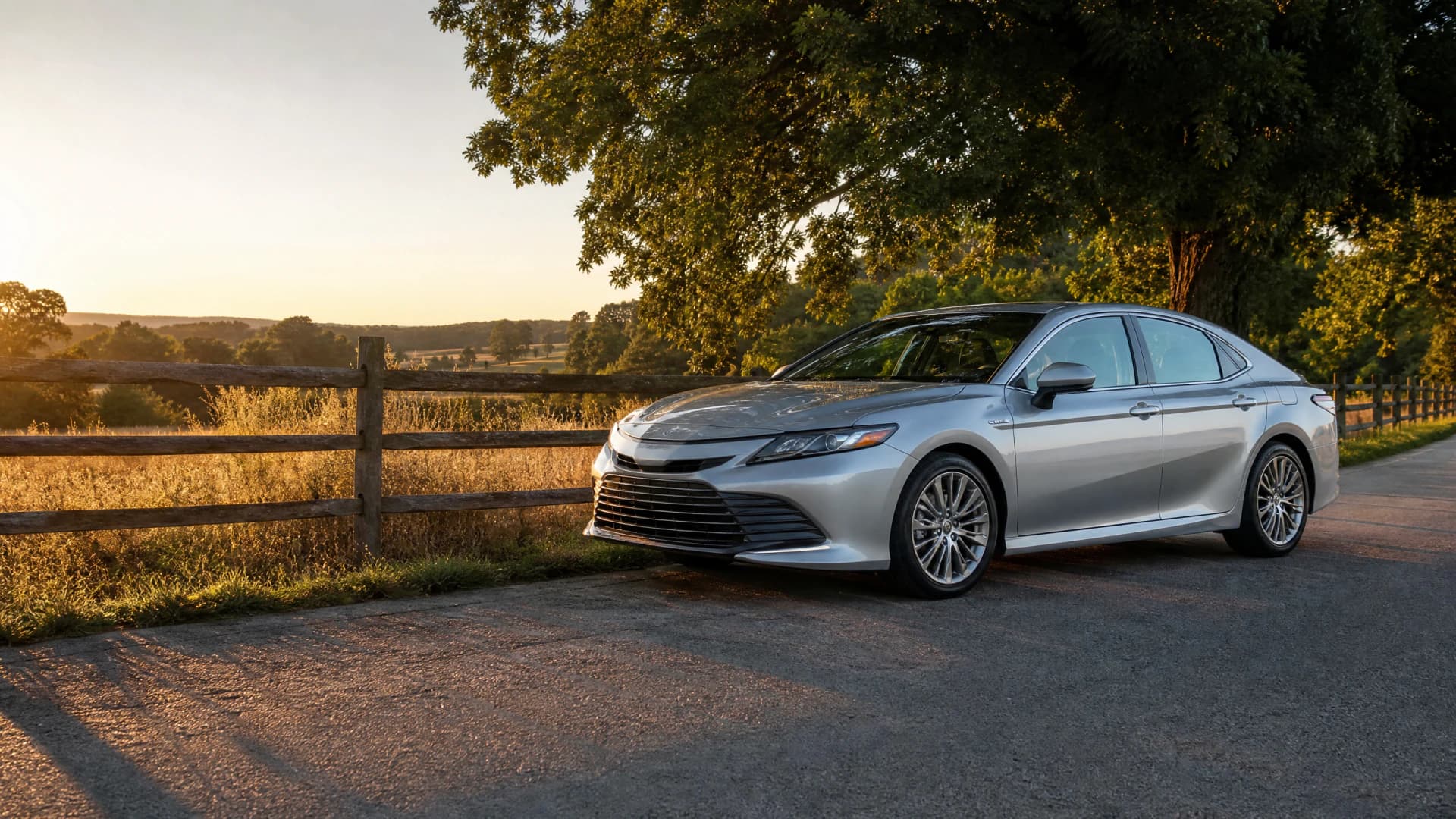

The Two-Policy Strategy Most Snowbirds Don't Know Exists
You can maintain active policies in both states simultaneously if you own two vehicles or if one carrier writes a seasonal suspension agreement. State Farm, Nationwide, and Auto-Owners allow 6-month active coverage in one state with suspended coverage in the other, then a swap at the seasonal transition.
The mechanics: you register one vehicle in Massachusetts, one in North Carolina. The Massachusetts vehicle stays garaged in Boston May through September with active coverage. The North Carolina vehicle stays garaged in Pinehurst October through April with active coverage. Each policy suspends collision and comprehensive during the off-season, maintaining only liability to keep continuous coverage history.
This works cleanly if you own two vehicles and genuinely use each only in its registered state. It fails if you drive the same vehicle year-round between both states. Most carriers require an active policy tied to the state where the vehicle physically sits, updated every time you cross state lines for more than 30 days.

Get Covered in Both of Your Home States
Compare Snowbird Auto Insurance RatesWhat Happens When You Register in North Carolina Mid-Season
Switching registration from Massachusetts to North Carolina requires a North Carolina driver license, proof of state residency, vehicle title, Massachusetts registration surrender, and proof of insurance showing North Carolina garaging address. The DMV requires two documents proving North Carolina residency: property tax bill, utility bill, bank statement, or voter registration dated within 90 days.
Your Massachusetts policy terminates the day you surrender Massachusetts registration. Most carriers issue the new North Carolina policy effective the same day, but coverage gaps of 24–72 hours are common during the transition if paperwork processing delays occur. North Carolina law requires continuous coverage without any gap, even one day. A lapse triggers an immediate license suspension and $50 restoration fee.
If you switch registration in January while mid-season in Pinehurst, your North Carolina policy rates you as a new state resident. Some carriers apply a 10–15% surcharge for the first policy term when you register a vehicle brought from out of state, treating it as higher verification risk until the first renewal.

When Split Registration Makes Sense and When It Doesn't
Split registration works if you own property in both states, spend genuinely equal time in each, and want to optimize registration costs and insurance rates separately. North Carolina registration costs $38.75 annually. Massachusetts registration ranges from $60–$120 depending on vehicle type and city excise tax.
It fails if you're trying to game the system by claiming North Carolina residency for insurance rates while maintaining Massachusetts as your legal domicile for tax purposes. Carriers verify garaging address against property records, utility billing, and claim location patterns. If 80% of your annual mileage occurs in Massachusetts but you claim North Carolina garaging, an at-fault claim triggers a coverage investigation.
The cleanest path: register and insure where the vehicle spends more than 183 days per year. If that's North Carolina, complete the full registration transfer after your second or third winter season once you clearly meet the threshold. If it's Massachusetts, keep everything registered there and accept the higher premium as the cost of your primary state.
Frequently Asked Questions
Can I keep my Massachusetts license and registration if I spend 7 months per year in North Carolina?
Yes, if your vehicle is physically present in North Carolina for fewer than 183 days in any 12-month period. Once you cross 183 days, North Carolina law requires you to register the vehicle in-state within 60 days regardless of where your driver license is issued.
Will my insurance company know if I'm spending more time in North Carolina than I declared?
Carriers verify garaging location during claim investigations by reviewing repair shop addresses, tow origins, police report locations, and EZ-Pass or toll records. If claim patterns show the vehicle is primarily garaged in a different state than your policy lists, they can deny the claim for material misrepresentation.
Do I need to notify my carrier every time I drive between Massachusetts and North Carolina?
No, but you must update your garaging address if the vehicle will be in the other state for more than 30 consecutive days. Most carriers allow temporary location changes online or by phone without triggering a policy rewrite.
How much does switching from Massachusetts to North Carolina registration actually save on insurance?
The average senior driver in the Boston metro area pays $145–$210/mo for full coverage. The same driver in Pinehurst pays $95–$140/mo. Annual savings typically range from $600–$840, with the gap widening after age 75 when Massachusetts age-based pricing increases more steeply.
Related Articles

Split vs Full NC Residency: Snowbird Insurance Guide
4/26/2026

Boston to Pinehurst Snowbird Auto Insurance Guide
4/26/2026

Boston to Pinehurst NC: Managing Parent's Snowbird Insurance
4/26/2026

Two Cars or One? Boston to Pinehurst Snowbird Guide
4/26/2026

MA to NC Snowbird Auto Insurance: Registration Guide
4/26/2026

Split Residency vs NC Registration: Snowbird Guide
4/26/2026