
Split vs Full SC Residency: 5 Deciding Factors for Snowbirds
Free to compare
Which State Legally Controls Your Vehicle Registration?
South Carolina requires vehicle registration if you garage your car in the state for more than 180 consecutive days, regardless of where you hold legal domicile or file taxes. Pennsylvania has no mirror requirement based on winter absence, so the decision hinges entirely on where your vehicle physically sits for the majority of the year.
Most Pittsburgh-to-Hilton Head snowbirds spend November through April in South Carolina — exactly six months — which sits at the threshold. If you arrive in early November and leave in late April, you cross the 180-day mark and trigger SC registration requirements under state law. If you shorten your stay by two weeks, you remain a Pennsylvania registrant who winters in South Carolina.
The registration state determines which state's liability minimums apply, which Department of Motor Vehicles handles your renewals, and which state's property tax and registration fees you pay annually. South Carolina registration fees run $40 to $250 depending on vehicle weight and county, plus biennial property tax assessments. Pennsylvania charges a flat annual registration fee with no property tax component.

How Carriers Price Policies Based on Garaging Address
Your insurance carrier assigns rates based on the garaging address you declare — the location where your vehicle is parked overnight most nights of the year. This is distinct from your billing address, legal domicile, or registration state, though most carriers require all four to align for preferred-rate policies.
If you register in South Carolina but list Pennsylvania as your garaging address, most carriers either decline to write the policy or assign non-standard rates that run 30% to 60% higher than standard pricing. If you register in Pennsylvania but declare South Carolina as your garaging address for six months of the year, you're required to notify your carrier of the seasonal address change, and the carrier reprices your policy based on South Carolina risk factors during that period.
Carriers including State Farm, GEICO, and Progressive allow seasonal address updates without rewriting the entire policy, but each applies a different rating methodology. State Farm typically averages risk between both locations. GEICO reprices every six months based on current garaging location. Progressive uses the higher-risk location as the base rate year-round. The difference in annual premium between these three approaches for the same Pittsburgh-to-Hilton Head driver averages $400 to $700.

What Happens to Coverage During Interstate Drives Between Properties
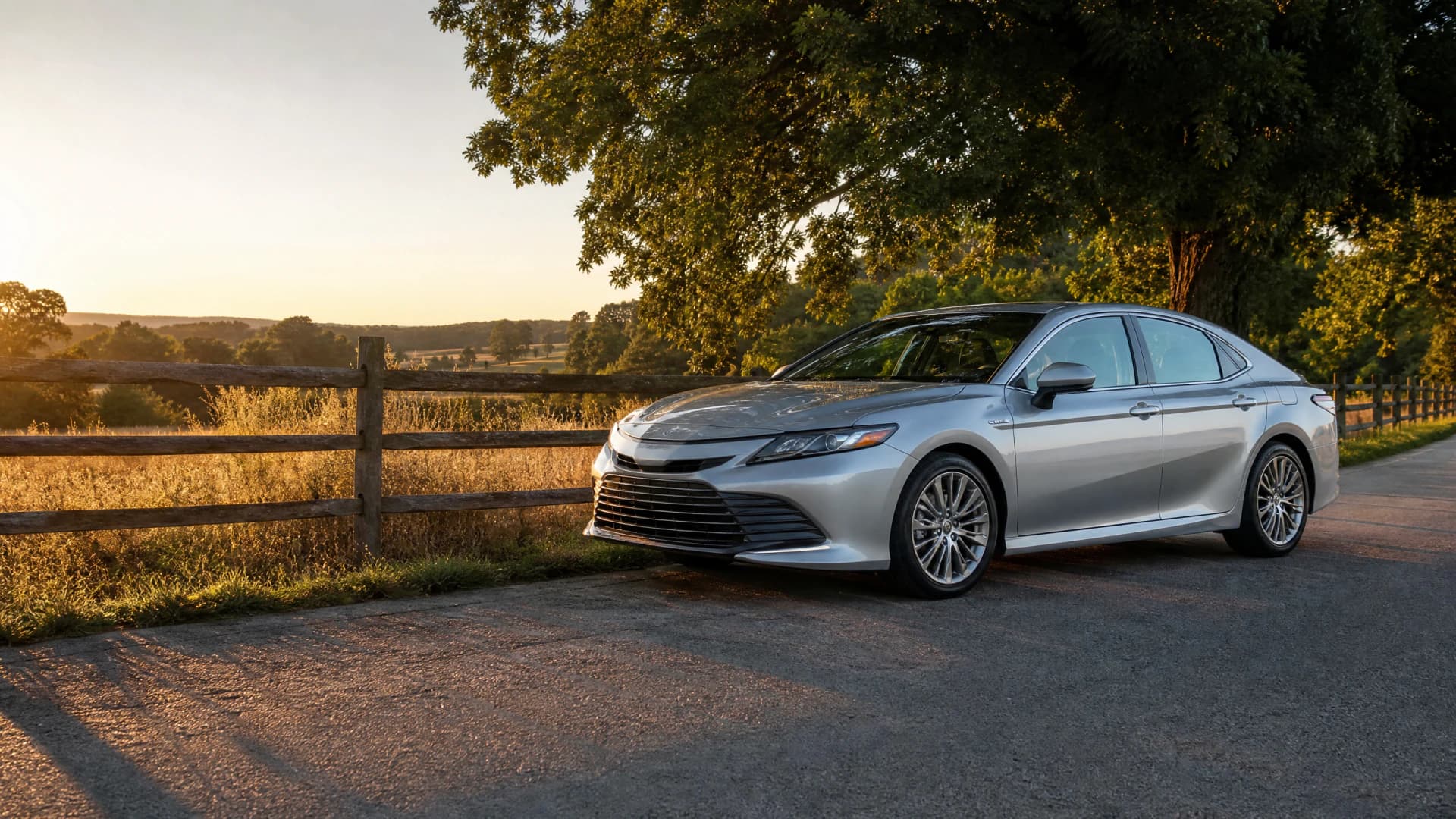
Your policy remains in effect during the drive between Pennsylvania and South Carolina as long as both states fall within your policy territory, which every standard auto policy defines as the United States and Canada. The question is whether your liability limits meet the higher of the two states' minimums during the full calendar year.
Pennsylvania requires 15/30/5 liability coverage. South Carolina requires 25/50/25. If your policy is written in Pennsylvania at Pennsylvania minimums, you're underinsured the moment you cross into South Carolina, and a serious accident in Charleston or on I-95 southbound leaves you personally liable for damages exceeding your $5,000 property damage limit.
Most carriers automatically raise your limits to meet the higher state requirement if you declare South Carolina as a seasonal garaging location, but this is not universal. Erie, Auto-Owners, and some regional Pennsylvania carriers do not write policies with split-state garaging addresses and require you to choose one state as primary. If you maintain Pennsylvania registration and fail to notify your carrier of your South Carolina stay, you risk a coverage denial if the carrier discovers the seasonal residency pattern after a claim.
Get Covered in Both of Your Home States
Compare Snowbird Auto Insurance RatesHow Domicile, Registration, and Insurance State Interact for Tax and Legal Purposes
Legal domicile determines where you file state income taxes, where you vote, and which state considers you a resident for estate and probate purposes. Vehicle registration determines which state collects registration fees and property taxes on your car. Insurance state determines which state's coverage laws and rate regulations apply to your policy. All three can be different states, but misalignment creates administrative friction and audit risk.
South Carolina grants income tax breaks to retirees and does not tax Social Security income, which attracts many snowbirds to declare South Carolina domicile even if they spend only six months in the state. If you declare South Carolina domicile, South Carolina expects you to register your vehicle in South Carolina, obtain a South Carolina driver's license within 90 days of establishing residency, and insure your vehicle under a South Carolina policy.
Pennsylvania does not challenge your domicile claim if you winter elsewhere, but if you declare South Carolina domicile while keeping Pennsylvania vehicle registration, you create a documentation mismatch that complicates insurance underwriting. Most carriers require your registration state and policy state to match. If they don't, you're assigned to non-standard or assigned risk pools at significantly higher rates.

When Switching States Increases or Decreases Your Premium
Average auto insurance rates for drivers aged 65 to 75 in Pennsylvania run $95 to $140 per month for full coverage on a sedan. In South Carolina, the same driver profile pays $110 to $155 per month. The difference reflects South Carolina's higher uninsured motorist rate, greater hurricane and weather risk in coastal counties, and higher medical cost trends statewide.
If you currently hold Pennsylvania registration and switch to South Carolina registration with a Hilton Head garaging address, expect your premium to increase 10% to 20% on average, with steeper increases if you live in Beaufort County or other coastal zones. If you currently hold South Carolina registration and switch to Pennsylvania registration with a Pittsburgh garaging address, expect your premium to decrease 8% to 15% unless you live in Philadelphia or another high-cost Pennsylvania metro.
Carrier-specific rate differences matter more than state averages for most snowbirds. USAA, available only to military members and families, offers the lowest average rates in both states. State Farm and Nationwide apply smaller geographic rating differentials than GEICO or Progressive, making them better choices if you want to minimize the rate swing between your two addresses. Erie writes only in Pennsylvania and 11 other states excluding South Carolina, so switching to South Carolina residency requires changing carriers entirely.
Frequently Asked Questions
Can I keep my Pennsylvania license and registration if I spend six months in South Carolina?
Yes, as long as you do not exceed 180 consecutive days in South Carolina and do not declare South Carolina as your legal domicile. If you cross the 180-day threshold, South Carolina law requires you to register your vehicle in South Carolina and obtain a South Carolina driver's license within 90 days of establishing residency.
Do I need to buy separate insurance policies for Pennsylvania and South Carolina?
No. One policy written in your primary garaging state covers you in both locations as long as you notify your carrier of your seasonal address and the carrier agrees to cover both garaging locations. Most national carriers handle this with a seasonal address endorsement; regional carriers often require you to choose one state as primary.
What happens if I have an accident in South Carolina but my policy is written in Pennsylvania?
Your policy remains in effect, but your liability limits must meet South Carolina's minimums at the time of the accident. If your Pennsylvania policy carries only Pennsylvania minimums, you may be personally liable for damages exceeding those limits even though your policy is active.
Will my rate go up if I tell my insurance company I'm spending winters in Hilton Head?
Typically yes, by 10% to 20% depending on your carrier's rating method and the specific county where you garage your vehicle in South Carolina. Failing to disclose your seasonal address creates a larger risk: claim denial for material misrepresentation if the carrier discovers the undisclosed garaging location after an accident.
Which state should I choose as my legal domicile if I split time equally?
Choose the state where you intend to return permanently, where you want to vote, and where your estate will be probated. South Carolina offers income tax advantages for retirees, but declaring domicile there triggers vehicle registration and licensing requirements under current state law.
Related Articles
One Car or Two? Pittsburgh to Hilton Head Snowbirds
4/26/2026

Pittsburgh to Hilton Head Mid-Season Coverage Guide
4/26/2026

Pittsburgh to Hilton Head Move: Real Insurance Costs
4/26/2026

Pittsburgh to Hilton Head: Snowbird Auto Premium Guide
4/26/2026

PA to Hilton Head SC Snowbird Insurance Edge Cases
4/26/2026

Snowbird Insurance: PA Resident, SC Winters – Disclosure Rules
5/19/2026