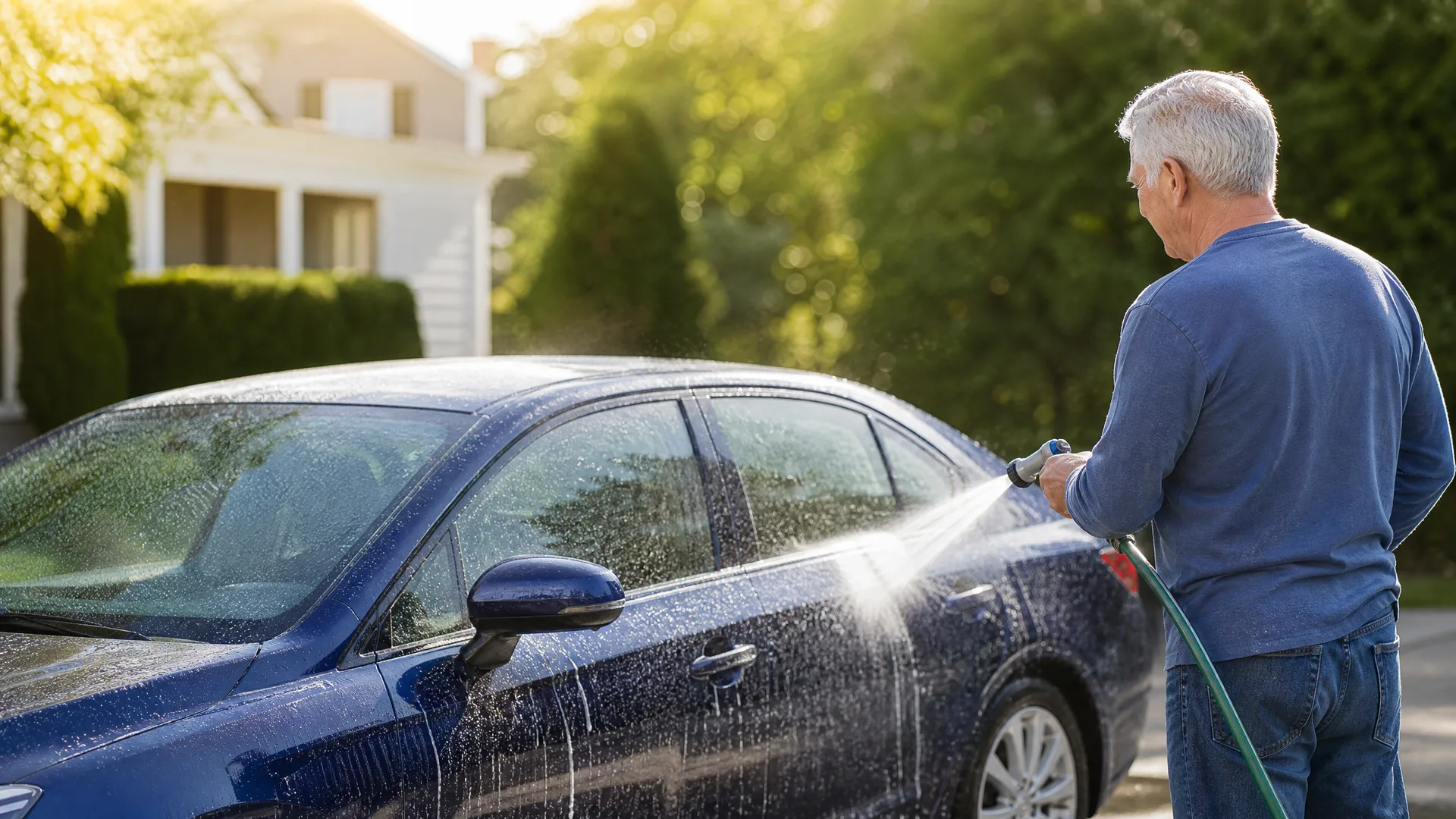
How to Switch Your Car Insurance Back to Wisconsin After Winter
Free to compare
Why Wisconsin Requires Year-Round Primary Registration for Property Owners
Wisconsin law requires you to maintain Wisconsin vehicle registration and insurance as your primary coverage if you own or rent property in the state for more than 6 months per year, regardless of how many months you spend in Florida. This is different from true snowbird states like Arizona or Texas that allow you to declare either state as primary.
The Wisconsin DMV ties registration to your principal residence, defined as where you spend the majority of the calendar year or where you maintain your voting registration and homestead property tax status. Most snowbirds who leave for Florida in November and return in April still meet Wisconsin's principal residence test because they're in Wisconsin 7 months of the year.
If you registered your vehicle in Florida during the winter and maintained Florida insurance as primary, you now need to reverse that transition. Wisconsin does not recognize dual primary registration. Your vehicle is registered in one state at a time, and your insurance must match that registration state as the primary coverage location.

What Happens to Your Rate When You Switch Back to Wisconsin Primary
When you notify your carrier that your vehicle is now garaged in Wisconsin rather than Florida, your rate will recalculate based on Wisconsin zip code risk factors. For most snowbirds, this means a rate decrease because Wisconsin has lower collision and comprehensive claim frequencies than Florida's coastal counties.
The average snowbird moving from a Florida winter address to a Wisconsin summer address sees a 12–18% reduction in comprehensive premium due to lower theft and hurricane risk, but liability rates depend entirely on your specific Wisconsin county. Rural Wisconsin counties often have higher liability costs per claim than suburban Florida due to higher-speed rural road accidents.
Your carrier will apply the new rate either immediately at the address change or at your next renewal, depending on whether the address change is considered a mid-term adjustment or a renewal event. Most carriers treat a return to your principal residence as a mid-term correction and adjust the rate within 30 days. Call your agent before you leave Florida to confirm how your specific carrier handles the timing.

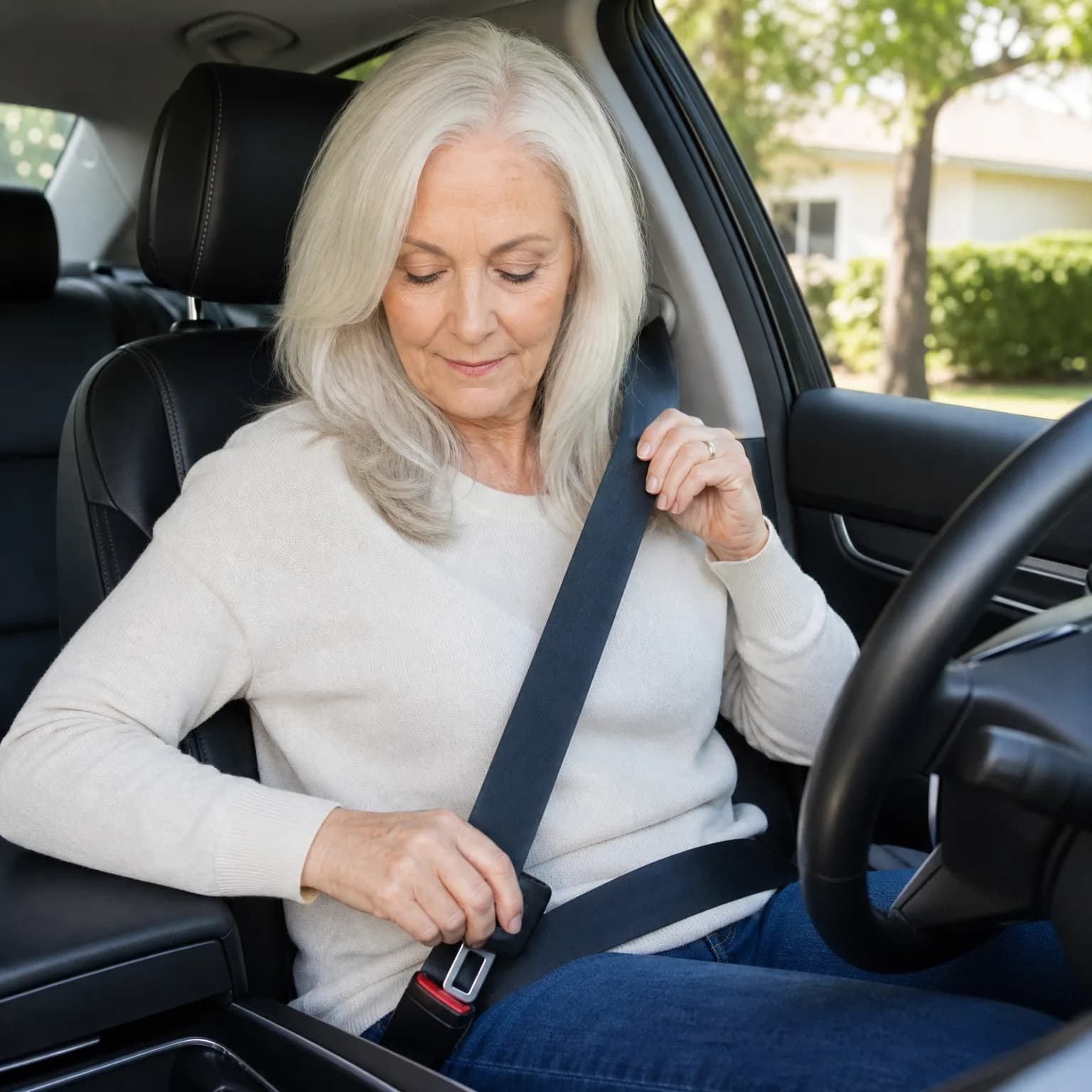
How to Notify Your Carrier and Update Your Garaging Address
Contact your insurance agent or carrier as soon as you return to Wisconsin, ideally within 10 days of arriving home. You need to update your garaging address from your Florida winter address back to your Wisconsin home address. Garaging address is the location where your vehicle is parked overnight most nights of the year, and it directly controls your premium calculation.
Most carriers allow you to update your garaging address online, by phone, or through your agent. You will need your policy number, your Wisconsin home address, and the effective date of the change. The effective date should be the date you returned to Wisconsin and began parking the vehicle at your Wisconsin home overnight.
If you maintained separate Florida and Wisconsin policies during the winter rather than updating your garaging address on a single year-round policy, you now need to cancel your Florida policy and restore your Wisconsin policy to active status. Notify both carriers in writing with the cancellation date and restoration date to avoid any lapse in coverage or double payment.

Get Covered in Both of Your Home States
Compare Snowbird Auto Insurance RatesWhat Documentation Wisconsin Requires When You Re-Register
If you transferred your vehicle registration to Florida during the winter, you must re-register the vehicle in Wisconsin within 30 days of returning. Wisconsin requires proof of Wisconsin insurance listing your Wisconsin address as the garaging location, your Florida title or Wisconsin title if you kept it, and payment of Wisconsin registration fees.
Wisconsin charges a standard annual registration fee of $85 for most passenger vehicles, plus a $15 wheel tax in some counties. If you cancelled your Wisconsin registration during your Florida stay, you will pay the full annual fee. If you maintained Wisconsin registration year-round and only updated your insurance garaging address, no re-registration is required.
Bring your insurance declaration page showing your Wisconsin address as primary, your driver's license, and your vehicle title to any Wisconsin DMV service center. Same-day registration is available at most locations. Your insurance card must show a Wisconsin garaging address and your carrier must file electronic verification with the Wisconsin DMV before your registration is processed.

How to Avoid a Coverage Gap During the Transition
The most common coverage gap happens when snowbirds cancel their Florida policy before confirming their Wisconsin policy is active and lists the correct garaging address. Never cancel one policy until you have written confirmation from your Wisconsin carrier that your coverage is active with your Wisconsin address listed as primary.
If you are switching carriers entirely rather than just updating your address, overlap your coverage by at least 24 hours. Start your new Wisconsin policy on the day you return home, then cancel your Florida policy effective the following day. This prevents any gap if your Florida carrier processes the cancellation faster than your Wisconsin carrier activates the new policy.
Wisconsin does not allow same-day cancellation and activation with different carriers for the same vehicle. The Wisconsin DMV's electronic insurance verification system flags gaps longer than 4 hours, and you will receive a suspension notice if any gap is detected. Overlapping by one day costs you one extra day of premium but eliminates all gap risk.

Which Carriers Write Year-Round Snowbird Policies in Wisconsin
Most Wisconsin carriers allow you to update your garaging address twice per year without cancelling and rewriting your policy, but not all carriers handle snowbird address changes the same way. State Farm, American Family, and COUNTRY Financial all write year-round Wisconsin policies that allow seasonal address updates with mid-term rate adjustments.
Progressive and GEICO allow address updates online and recalculate your rate immediately, but both carriers require you to list your principal residence as your primary address on the policy. If you spend more than 6 months per year in Florida, these carriers will eventually require you to rewrite the policy with Florida as the primary state.
If your current carrier does not allow seasonal address changes or if you are switching carriers after returning to Wisconsin, compare rates using your Wisconsin home address as the garaging location. Wisconsin-based carriers like COUNTRY Financial and West Bend often offer better rates for snowbirds who return to Wisconsin each year because they price based on your full-year driving pattern rather than treating you as a high-risk out-of-state driver.
Frequently Asked Questions
Do I need to cancel my Florida car insurance when I return to Wisconsin for the summer?
If you maintained a single year-round policy and only updated your garaging address to Florida during the winter, you do not cancel anything — you simply update your garaging address back to Wisconsin. If you purchased a separate Florida policy during the winter, you must cancel that Florida policy and restore your Wisconsin policy to active status, ensuring no coverage gap between the two.
Will my car insurance rate go up or down when I switch back to Wisconsin?
Most snowbirds see a rate decrease when switching from a Florida address back to Wisconsin because Wisconsin has lower comprehensive claim costs due to reduced hurricane and theft risk. The exact change depends on your specific Wisconsin county and your Florida winter location, but the average decrease is 12–18% on comprehensive coverage.
How quickly do I need to notify my insurance company after returning to Wisconsin?
Notify your carrier within 10 days of returning to Wisconsin and parking your vehicle at your Wisconsin home overnight. Your carrier will update your garaging address and recalculate your rate based on your Wisconsin location, typically applying the change within 30 days.
Can I keep my vehicle registered in Florida if I spend winters there?
No, if you own or rent property in Wisconsin for more than 6 months per year. Wisconsin requires you to maintain Wisconsin registration and insurance as primary if Wisconsin is your principal residence, defined as where you spend the majority of the year or maintain your homestead property tax status.
What happens if I have a coverage gap when switching my insurance back to Wisconsin?
Wisconsin's DMV electronic verification system flags coverage gaps longer than 4 hours and will issue a suspension notice. Always confirm your Wisconsin policy is active with the correct address before cancelling any Florida policy, and overlap coverage by at least 24 hours if switching carriers entirely.
Related Articles

Switch Primary Garaging: Wisconsin to Florida Mid-Season
5/19/2026

Cheapest Snowbird Auto Insurance: Wisconsin to Florida
5/19/2026

Snowbird Auto Insurance: Wisconsin and Florida Coverage
5/19/2026

Does Wisconsin Auto Insurance Cover Florida Winters?
5/19/2026

When NOT to Move Insurance from Milwaukee to Florida
4/26/2026

When Does a Wisconsin Snowbird Register in Florida?
5/19/2026