
Vermont Snowbird in Florida: How No-Fault Changes Your Coverage
Free to compare
When Florida's PIP Requirement Actually Kicks In
Florida requires $10,000 in personal injury protection coverage the moment you register a vehicle in the state or establish residency—not at your next policy renewal. Vermont operates under a traditional tort system with no PIP requirement, so your Vermont policy likely doesn't include it. If you register your vehicle in Florida or claim Florida residency for tax purposes without adding PIP to your existing policy, you're driving uninsured under Florida law even if your Vermont liability coverage remains active.
The registration trigger catches most snowbirds off guard. Florida statute 320.02 defines residency as employment in Florida, placing children in Florida public schools, filing for homestead exemption, or spending more than six consecutive months in the state. Once any of these apply, you have 10 days to register your vehicle and obtain Florida insurance that includes PIP. Your Vermont insurer won't automatically add PIP when you update your mailing address—you must request it explicitly.
Most carriers writing in Vermont can add Florida PIP to your existing policy if you maintain your Vermont registration and residency. If you establish Florida residency, you'll need a Florida policy. The distinction matters because Florida's no-fault system limits your ability to sue for injuries unless they meet the serious injury threshold defined in Florida Statute 627.737—something Vermont tort law doesn't restrict.

How Vermont Liability Coverage Works in Florida Without PIP
Your Vermont liability insurance covers damage you cause to others in any state, including Florida. Vermont requires 25/50/10 liability minimums: $25,000 per person for bodily injury, $50,000 per accident, and $10,000 for property damage. These limits satisfy Florida's 10/20/10 minimum, so you're legally compliant for liability coverage even while driving in Florida as a Vermont resident.
The gap appears when you're injured. Vermont's tort system allows you to file a claim against the at-fault driver's liability insurance immediately. Florida's no-fault system requires you to file with your own PIP coverage first, regardless of who caused the accident. If you're injured in Florida while driving on a Vermont policy without PIP, you have no first-party medical coverage and cannot access the at-fault driver's liability insurance unless your injuries meet Florida's serious injury threshold: significant permanent scarring, permanent injury, significant permanent loss of bodily function, or death.
This creates a coverage asymmetry. A Vermont driver injured in a minor Florida accident must pay medical bills out of pocket until either reaching the serious injury threshold or returning to Vermont to pursue the at-fault driver under Vermont tort law. Most snowbirds learn this only after an accident.

What Happens When You Register Your Vehicle in Florida
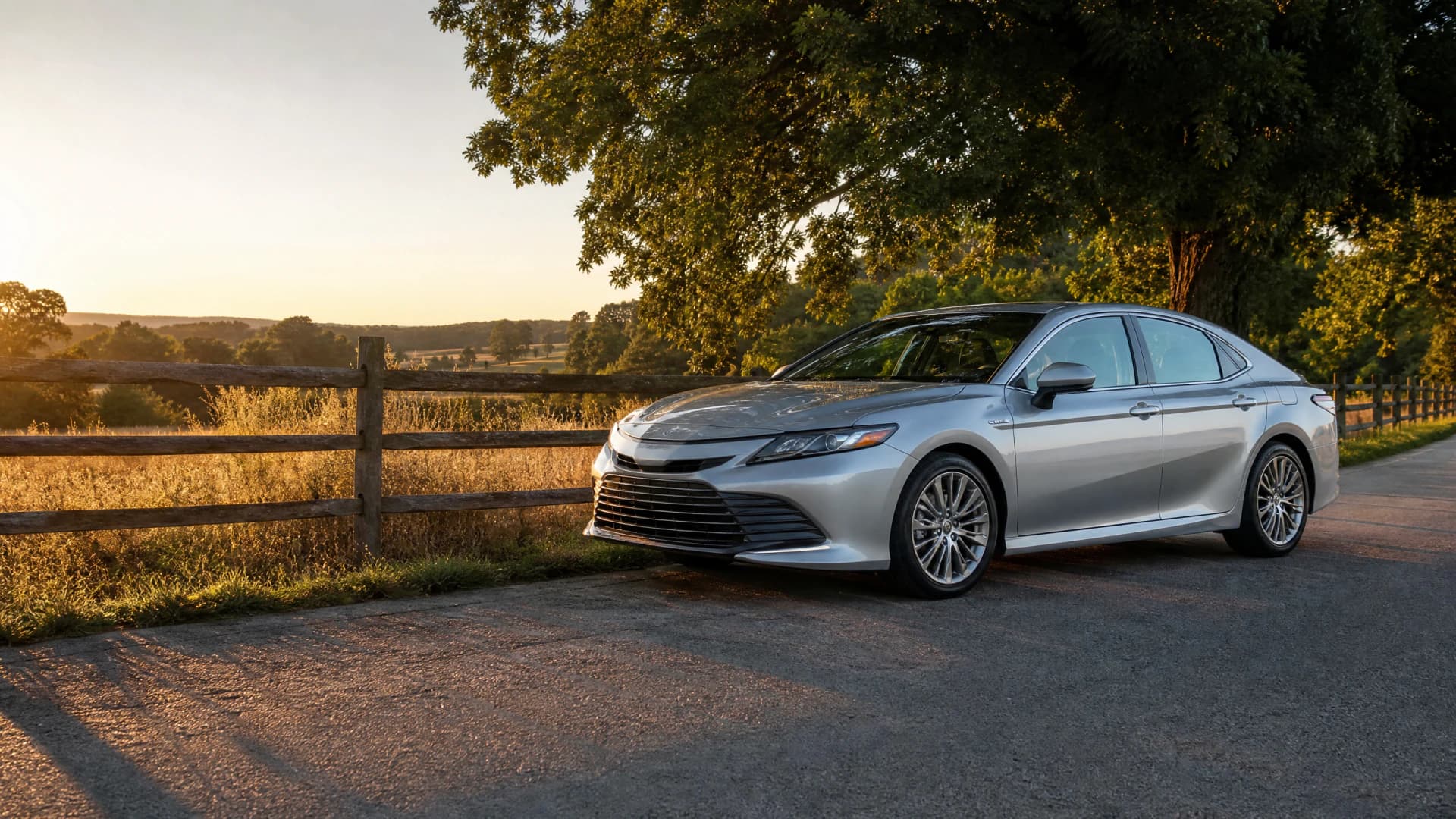
Registering your vehicle in Florida converts you from a visiting Vermont driver to a Florida motorist under state law. Florida requires you to obtain a Florida license within 30 days of establishing residency and register your vehicle within 10 days. Once registered, your vehicle must carry Florida-compliant insurance: $10,000 PIP and $10,000 property damage liability. Florida does not require bodily injury liability by statute, though most carriers bundle it into policies.
Your Vermont insurer can issue a Florida policy if licensed to write in Florida, but not all Vermont-based carriers operate there. If your current carrier doesn't write in Florida, you'll need to switch carriers entirely or maintain two separate policies—one for Vermont when you return north, one for Florida during winter months. The two-policy approach doubles administrative overhead and often costs more than a single year-round policy from a carrier writing in both states.
Florida uses an electronic insurance verification system tied to vehicle registration. If your policy lapses or doesn't include required PIP coverage, the state suspends your registration automatically and assesses a $150 reinstatement fee plus $7 per day without coverage, capped at $1,000. Vermont has no such automated enforcement. Snowbirds accustomed to Vermont's honor-system approach frequently underestimate Florida's compliance mechanisms.

Get Covered in Both of Your Home States
Compare Snowbird Auto Insurance RatesWhich Carriers Write Policies That Cover Both States Cleanly
Carriers licensed in both Vermont and Florida can add Florida PIP to your existing Vermont policy as a seasonal endorsement if you maintain Vermont residency and registration. This avoids switching policies or carriers. GEICO, Progressive, State Farm, Allstate, Nationwide, and Liberty Mutual all write personal auto in both states and offer multi-state coverage options. The endorsement typically adds $15–$35 per month during the months you declare Florida as your location.
The endorsement approach works only if you remain a legal Vermont resident. If you establish Florida residency, most carriers require a full Florida policy. Regional carriers writing primarily in Vermont—like Co-operative Insurance Companies or Union Mutual—often don't write in Florida at all, forcing you to switch carriers entirely. Confirm your carrier's multi-state capability before your first trip south. Switching carriers mid-policy after arriving in Florida compresses your shopping window and reduces leverage.
Some carriers offer snowbird-specific policies that automatically adjust coverage and rates based on your declared location each month. These policies include PIP during Florida months and drop it during Vermont months, avoiding the need to manually request endorsements twice per year. Availability varies by carrier and state. Ask specifically whether the policy adjusts coverage automatically or requires you to notify the carrier each time you cross state lines.

How to Maintain Continuous Coverage While Moving Between States
Notify your carrier at least two weeks before traveling to Florida for the winter. Request that Florida PIP be added to your policy effective the date you arrive, and confirm the endorsement in writing before you leave Vermont. If your carrier can't add Florida PIP, start shopping for a Florida policy 30 days out. Gap coverage between policies is the most common failure mode—Florida's automated enforcement will suspend your registration during any lapse, even if it's only 24 hours.
Document your residency status carefully. If you maintain Vermont residency, keep records showing your Vermont address remains your domicile: Vermont driver's license, Vermont vehicle registration, Vermont voter registration, and Vermont state tax filing. Florida aggressively pursues residency classification for tax purposes, and establishing Florida residency unintentionally triggers the requirement to obtain Florida plates and a Florida license within statutory windows. Many snowbirds assume spending five months in Florida keeps them Vermont residents, but filing for Florida homestead exemption or registering to vote in Florida converts you regardless of time spent.
Set a calendar reminder to notify your carrier when you return to Vermont in spring. If you added Florida PIP as a seasonal endorsement, confirm its removal once you're back north to avoid paying for coverage you no longer need. Some carriers remove it automatically based on your policy anniversary or declared return date; others require you to request removal explicitly. A March return to Vermont with PIP charges continuing through June costs $60–$105 unnecessarily.

What Florida No-Fault Means for Your Out-of-Pocket Costs After an Accident
Florida PIP covers 80% of your medical bills and 60% of lost wages up to the $10,000 policy limit, regardless of fault. If you're injured in Florida without PIP on your policy, you pay 100% of medical costs out of pocket unless the at-fault driver's liability insurance accepts your claim—and under Florida no-fault law, they're not required to pay unless your injuries meet the serious injury threshold.
PIP pays within 30 days of receiving your medical bills. It covers you, household relatives, and passengers in your vehicle at the time of the accident. It does not cover vehicle damage—that's paid by property damage liability or collision coverage. The 80% medical reimbursement rate means you're responsible for the remaining 20% as a copay. If your injuries exceed $10,000, you can pursue the at-fault driver's bodily injury liability only if you meet the serious injury threshold.
Vermont drivers injured in minor Florida accidents without PIP face the worst financial outcome: no first-party medical coverage, no access to the at-fault driver's liability insurance, and full out-of-pocket responsibility for treatment. Medical providers in Florida understand PIP and bill it directly. Without it, they bill you personally and expect payment before services in many cases. This is the asymmetry Florida lawmakers intended—it speeds claims and reduces litigation, but only if you carry the required coverage.
Frequently Asked Questions
Do I need to buy separate Florida car insurance if I keep my Vermont plates?
No, as long as you maintain Vermont residency and registration, your Vermont insurer can add Florida PIP to your existing policy as a seasonal endorsement. You don't need a separate Florida policy unless you establish Florida residency or register your vehicle in Florida. Confirm your carrier writes in Florida and request the PIP endorsement at least two weeks before you travel south.
How much does it cost to add Florida PIP to a Vermont policy?
Florida PIP typically adds $15–$35 per month to your premium, depending on your age, vehicle, and coverage elections under the policy. The cost applies only during months you declare Florida as your location if your carrier offers seasonal endorsements. Annual cost for a five-month Florida stay runs $75–$175.
What happens if I get in an accident in Florida without PIP on my Vermont policy?
You'll pay all medical bills out of pocket unless your injuries meet Florida's serious injury threshold—significant scarring, permanent injury, or permanent loss of function. Florida no-fault law blocks access to the at-fault driver's liability insurance for minor injuries. Your Vermont liability coverage will still pay for damage you cause to others, but it won't cover your own medical costs.
Can I keep my Vermont license and registration while spending six months in Florida?
Yes, if you maintain Vermont as your legal domicile and don't establish Florida residency. Avoid filing for Florida homestead exemption, registering to vote in Florida, or claiming Florida residency for tax purposes. Florida defines residency by specific actions, not just time spent in the state. If you meet any residency trigger, you must obtain a Florida license within 30 days and register your vehicle within 10 days.
Related Articles

Indiana Snowbird in Florida: PIP & Coverage Rules
5/19/2026

Vermont Snowbird Auto Insurance for Florida Winters
5/19/2026
Vermont Auto Insurance for Florida Snowbirds | Coverage Rules
5/19/2026

Ohio Snowbird in Florida: How No-Fault PIP Affects You
5/19/2026

CT Snowbird in FL: How No-Fault Changes Your Coverage
5/19/2026

Minnesota Snowbird in Florida: No-Fault Coverage Guide
5/19/2026