
Westchester to Palm Beach FL: Year-1 Auto Premium Reconciliation
Free to compare
Why Your New York Premium Increased When You Added Your Florida Address
Your New York auto policy already covered you in Florida before you added Palm Beach as a winter address — standard personal auto policies provide coverage anywhere in the United States. When you updated your address with your carrier, you didn't gain coverage. You triggered a repricing event.
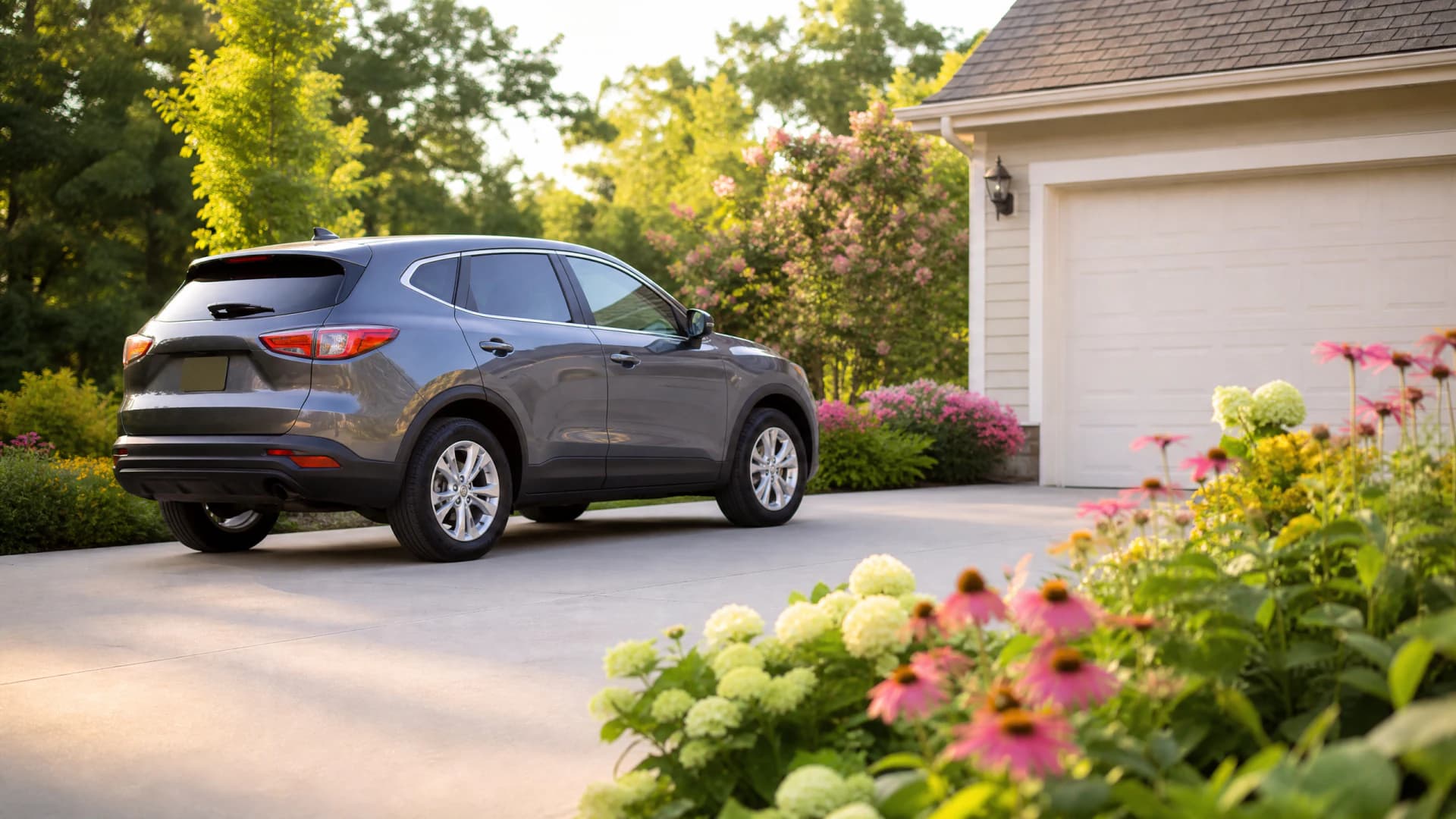
Carriers recalculate premiums based on garaging location, which is where your vehicle is parked overnight most of the year. If you spend November through April in Palm Beach, that's your primary garaging location for 5 months. Your carrier prices this as elevated risk: higher uninsured motorist rates in Florida, higher theft rates in coastal Palm Beach County, and denser traffic patterns than most Westchester County suburbs.
The repricing is legitimate. The lack of transparency about what changed is not. Most renewal notices show a new total premium without breaking out the Florida location surcharge from other rating factors. You're left guessing whether the increase came from age, location, or something else entirely.

What Your Carrier Knows About Your Dual-State Pattern That You Don't
When you added Palm Beach as a seasonal address, your carrier likely flagged your policy for multi-state risk profiling. This triggers internal underwriting rules most drivers never see. Your policy remains valid in both states, but your rate now reflects the higher-cost state's pricing for the months you're there.
Here's the pricing reality: Florida's average annual premium for drivers 65+ is $2,100–$2,800 per year. New York's average for the same age bracket is $1,600–$2,200. If you spend 5 months in Florida, carriers don't prorate cleanly — they often weight the higher-risk state more heavily in the annual calculation.
Most carriers use a primary residence rule: if you're in Florida more than 183 days, they price you as a Florida driver with New York coverage, not the reverse. If you're splitting exactly 6 months in each state, underwriting guidelines vary by carrier. Some use vehicle registration state as the tiebreaker. Others use the address on file when your policy renews.

The Registration Timing Trap That Triggers Mandatory Florida Filing
Florida requires vehicle registration if you work in the state, place children in public school, or establish residency by filing a homestead exemption on your Palm Beach property. Wintering in a rental property or second home without homestead exemption does not trigger mandatory registration — but your insurance carrier may price your policy as if it does.
The confusion stems from how carriers interpret "principal garaging location." If your vehicle is in Palm Beach from November through April, some carriers treat that as your principal location regardless of registration state. This doesn't require you to register in Florida, but it allows the carrier to apply Florida pricing.
If you do register in Florida, you must carry Florida minimum liability: $10,000 property damage and $10,000 personal injury protection (PIP). New York requires $25,000 property damage, $50,000 injury per person, and $100,000 per accident. Keeping New York registration while wintering in Florida means maintaining New York's higher minimums — which costs more but provides better protection.
How to Compare What You're Paying Now Against What You Should Pay
Request a rating worksheet from your current carrier. This document shows how your premium is calculated: base rate, location factor, age adjustment, coverage selections, and discounts applied. Most carriers provide this on request but don't send it automatically.
Compare your current premium against quotes written specifically for snowbird patterns. Not all carriers write policies structured for seasonal dual-state use. GEICO, Progressive, and Travelers have underwriting programs designed for this — they ask where you garage the vehicle each month and price accordingly. Regional carriers like Erie or Auto-Owners may not have comparable programs and may overprice the risk.
Check whether your current policy applies a mature driver discount. New York requires carriers to offer this for drivers 55+ who complete an approved defensive driving course — typically 5–10% off liability and collision. Florida offers a similar mandate. If you qualified in New York but your carrier didn't reapply it after adding the Florida address, you're leaving $150–$300 per year unclaimed.
Look at your PIP election if your carrier moved you to Florida pricing. Florida PIP is mandatory at $10,000 minimum. If you have Medicare, you can exclude certain PIP benefits and reduce this cost. Most carriers don't proactively suggest this — you must request the exclusion.

Get Covered in Both of Your Home States
Compare Snowbird Auto Insurance Rates
Which Carriers Handle Westchester–Palm Beach Patterns Without Repricing Errors
Carriers that write policies in both New York and Florida and have specific snowbird underwriting programs tend to price this pattern most accurately. Progressive's Snapshot program adjusts pricing based on actual miles driven in each state if you use the telematics device. GEICO allows you to update garaging location twice per year without triggering a full underwriting review.
Regional carriers with limited Florida presence often misprice snowbird risks. If your carrier is based in the Northeast and treats Florida as an out-of-territory location, you may be paying for coverage the policy already includes. This is most common with smaller mutuals and farm bureau carriers.
USAA (available only to military families) and Nationwide both offer seasonal address changes within the policy management portal. This allows you to update your garaging location as you move between states without calling an agent. The system recalculates your rate based on the months declared at each address.
State Farm and Allstate handle this through agent-managed endorsements. You'll need to contact your agent each time you move between properties. Some agents batch this into annual updates rather than processing it seasonally — which can result in pricing lags where you're charged for the wrong location.

What Happens If You Don't Disclose the Florida Address
If you maintain a New York policy and don't tell your carrier you're spending winters in Palm Beach, your policy remains valid — but you risk a claim denial based on misrepresentation of garaging location. Carriers can deny claims if they discover your vehicle is garaged somewhere other than the address on file for more than 30 consecutive days.
This is enforced inconsistently. Collision and comprehensive claims in Florida on a New York policy are usually paid without question. Liability claims that involve an injury or significant property damage may trigger an investigation into garaging location. If the carrier determines you've been wintering in Florida for multiple years without updating your address, they can deny the claim and rescind the policy retroactively.
The financial risk is measurable: if your Florida winter address reduces your premium (because you're moving from a high-cost New York suburb to a lower-cost Florida area), failing to disclose it costs you money. If it increases your premium, you're gambling that you won't have a claim that triggers an investigation. The denial risk isn't hypothetical — it's standard policy language in every carrier contract.
How to Structure Your Policy for Year Two and Beyond
After your first year splitting time between Westchester and Palm Beach, you have three structuring options. Each has different pricing and coverage implications.
Option one: Maintain New York registration and a New York-based policy, update garaging location seasonally with your carrier. This keeps your policy anchored to New York's regulatory requirements and allows you to maintain any New York-specific discounts. You'll pay Florida pricing for the months you declare Palm Beach as garaging location.
Option two: Register and insure in Florida, maintain New York coverage as a secondary location. This works if you've established Florida residency (homestead exemption, voter registration, driver license transfer). Florida becomes your primary state for insurance purposes. You'll pay Florida rates year-round but may lose access to New York-mandated discounts.
Option three: Register in one state, insure in the other. This is legal only if the insurance state allows it — New York requires your vehicle to be registered in New York if you insure it there. Florida allows you to insure a vehicle registered out of state if you're a seasonal resident. This option is rarely cost-effective and creates administrative complexity at renewal.
Frequently Asked Questions
Do I need two separate auto insurance policies if I live in New York and Florida part of the year?
No. A single policy written in either state covers you in both locations — personal auto policies provide coverage throughout the United States. You update your garaging location with your carrier as you move between states, and they adjust your rate based on where the vehicle is parked overnight most of the time.
Will my insurance company cancel my policy if I don't tell them I'm spending winters in Florida?
Carriers rarely cancel for undisclosed seasonal address changes, but they can deny claims if they discover your vehicle is garaged somewhere other than your address on file for more than 30 days. Claim investigations for liability or injury cases often uncover garaging location discrepancies, which gives the carrier grounds to deny coverage and rescind your policy retroactively.
Does my New York mature driver discount still apply when I add a Florida winter address?
It should, but many carriers fail to reapply state-mandated discounts after a garaging location change. Request a rating worksheet after adding your Florida address to confirm your mature driver discount (typically 5–10% off liability and collision) is still applied. If it's missing, ask your carrier to reinstate it — you don't lose eligibility by wintering out of state.
Can I keep my car registered in New York if I'm spending more than six months per year in Florida?
Florida requires registration if you establish residency by claiming homestead exemption, enrolling children in public school, or working in the state. Wintering in a rental or second home without residency establishment does not mandate registration. You can keep New York registration, but if you're in Florida more than 183 days, your insurer will likely price you as a Florida-garaged driver.
Related Articles

Westchester to Palm Beach Snowbird Insurance Review
4/26/2026

Long Island to Palm Beach: First-Year Premium Guide
4/26/2026

NYC to Palm Beach: Auto Premium Reconciliation Guide
4/26/2026

When NOT to Move Registration: Westchester to Palm Beach
4/26/2026

NYC to Boca Raton FL: Year-1 Auto Premium Reality
4/26/2026
Westchester to Palm Beach FL: Real Snowbird Insurance Math
4/26/2026