
What If a Michigan Snowbird Doesn't Disclose Time in Arizona?
Free to compare
What Counts as Non-Disclosure for Snowbird Insurance?
Non-disclosure happens when you fail to tell your carrier that your vehicle is garaged in a different state for a substantial portion of the year. Most carriers define substantial as 90 consecutive days or more, but some set the threshold at 60 days or use a six-month rule based on where the vehicle is located the majority of the year. Michigan policies are priced based on Michigan loss data — Detroit theft rates, winter weather frequency, no-fault medical cost exposure. Arizona presents entirely different risk factors: higher summer temperatures that accelerate wear, different theft patterns, and a fault-based tort system instead of Michigan's no-fault structure.
The failure to disclose isn't about intent. It's about whether the carrier had accurate information to price your policy correctly. If you spend November through March in Arizona every year and your policy application lists only your Michigan address with no mention of seasonal relocation, that's non-disclosure in the carrier's view — whether you thought it mattered or not.
Carriers discover undisclosed patterns through claims (repair shop addresses, police report locations), automated license plate recognition systems, telematics data showing long-term location patterns, or routine coverage reviews that flag out-of-state medical providers or repair invoices. Once flagged, the carrier will review the entire policy term for misrepresentation.

What Happens When a Carrier Discovers Undisclosed Arizona Time?
The most common outcome is immediate claim denial if the loss occurred in Arizona or during a period when the vehicle was garaged there. The carrier will argue that they would have declined to write the policy, charged a different premium, or required Arizona registration had they known the true garaging pattern. Even if the claim occurred in Michigan, the carrier may deny coverage if they can demonstrate that the undisclosed Arizona time materially affected the risk assessment.
You will likely receive a retroactive premium adjustment demand. The carrier calculates what the premium would have been under an Arizona policy or a properly disclosed two-state arrangement, then bills you for the difference — often spanning multiple policy terms if the pattern existed for years. Some carriers will cancel the policy for misrepresentation, which creates a disclosure obligation on future applications and may increase your rates with the next carrier.
In cases where the carrier believes the non-disclosure was intentional, they may refer the matter for insurance fraud investigation. Michigan classifies insurance application fraud as a felony under MCL 500.4503, punishable by imprisonment, fines, or both. Even unintentional non-disclosure can trigger civil penalties and carrier-initiated lawsuits to recover paid claims.
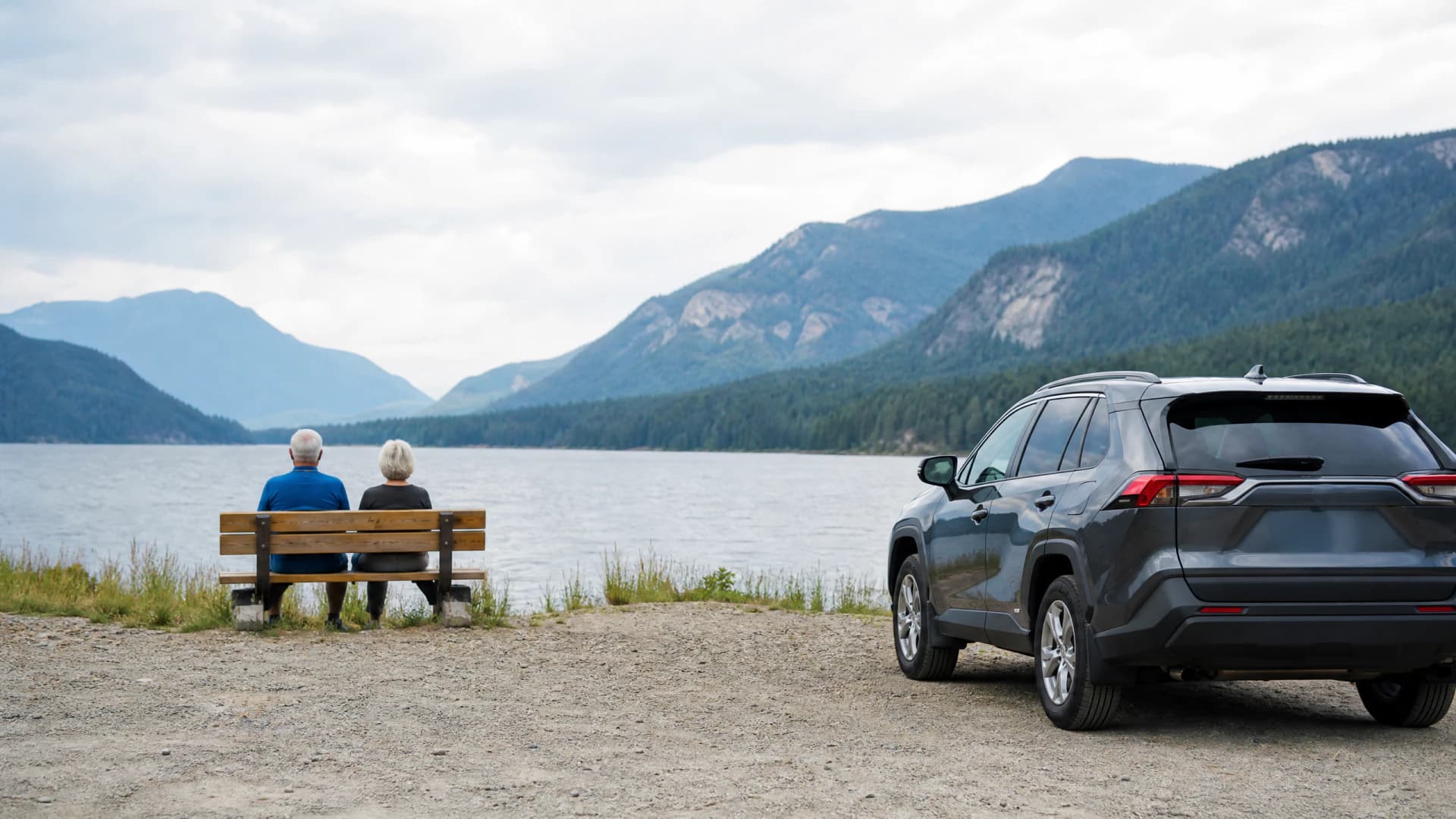

Does Michigan Require You to Register in Arizona If You Winter There?
Arizona requires vehicle registration if you are physically present in the state for more than seven months in a calendar year, or if you are employed in Arizona, or if your children attend Arizona public schools. You do not automatically become an Arizona resident for vehicle registration purposes simply because you own property there or spend winters there, but crossing the seven-month threshold or establishing employment ties does trigger the requirement.
Michigan does not require you to surrender your Michigan registration if you maintain a Michigan domicile and spend fewer than seven months per year in Arizona. Domicile is your permanent legal residence — where you vote, file state taxes, hold a driver's license, and intend to return. Snowbirds typically maintain Michigan domicile and register their vehicles there, but if Arizona determines you meet their residency definition, you must comply with Arizona registration law regardless of your Michigan status.
The conflict arises when your insurance carrier's multi-state policy terms require you to register in the state where the vehicle is primarily garaged, even if state law does not yet require it. Some carriers refuse to write coverage for a Michigan-registered vehicle that is garaged in Arizona more than 120 days per year, forcing you to choose between switching registration, finding a carrier that writes snowbird-specific policies, or shortening your Arizona stay.

Get Covered in Both of Your Home States
Compare Snowbird Auto Insurance RatesHow Should You Disclose Snowbird Patterns to Your Carrier?
Contact your carrier before your first extended Arizona stay and provide exact dates, the Arizona address where the vehicle will be garaged, and an estimate of total days per year you expect to spend there. Ask whether the carrier writes policies that cover multi-state garaging, what the premium impact will be, and whether you need to register the vehicle in Arizona to maintain coverage. Get the carrier's answer in writing — email or letter — so you have documentation of what you disclosed and what the carrier agreed to cover.
If your carrier does not write multi-state snowbird policies, you will need to switch carriers before leaving for Arizona. Carriers that specialize in snowbird coverage include Foremost, National General, and Progressive, though availability and pricing vary by state. Some carriers offer seasonal policies that allow you to suspend certain coverages while the vehicle is in storage and reinstate full coverage when you relocate, but this only works if the vehicle is not being driven during the suspended period.
Update your policy whenever your pattern changes. If you extend your Arizona stay from three months to five months, or if you start driving the vehicle in Arizona when you previously flew and rented, notify your carrier immediately. Patterns that were permissible under a 90-day disclosure may violate policy terms at 150 days, and the burden is on you to keep the carrier informed.

What Coverage Issues Apply to Michigan No-Fault in Arizona?
Michigan no-fault personal injury protection does not apply to accidents that occur outside Michigan. If you are injured in an Arizona accident while driving a Michigan-registered vehicle insured under a Michigan policy, your Michigan PIP coverage will not pay your medical bills. Arizona is a fault-based state with no mandatory PIP, so your only recovery options are the at-fault driver's bodily injury liability coverage, your own health insurance, or a lawsuit against the at-fault driver.
Michigan policies typically include out-of-state coverage for property damage and liability, meaning your Michigan liability coverage will respond to an at-fault accident in Arizona up to your policy limits. But because Arizona requires only $25,000 per person and $50,000 per accident in bodily injury liability, and Michigan does not mandate bodily injury coverage at all if you carry PIP, snowbirds often discover they are severely underinsured for out-of-state accidents where PIP does not apply.
To close this gap, add bodily injury liability coverage to your Michigan policy at limits that match or exceed what you would carry in Arizona — $100,000 per person and $300,000 per accident is a common recommendation for retirees with assets to protect. Consider adding medical payments coverage, which pays your medical bills after an accident regardless of fault, up to the policy limit. MedPay is inexpensive and functions as a substitute for PIP when you are driving out of state.

Can You Maintain Two Policies in Two States?
You cannot insure the same vehicle under two separate policies simultaneously. Doing so is considered insurance fraud, and if you file a claim, both carriers will deny coverage and may pursue criminal charges. You must choose one state of registration and one primary policy, even if you spend time in multiple states.
Some snowbirds mistakenly believe they can maintain a Michigan policy for their Michigan address and an Arizona policy for their Arizona address, switching between them seasonally. This does not work because vehicle insurance is tied to the vehicle identification number, and overlapping coverage on the same VIN triggers fraud detection systems. If you want to change your registration and policy from Michigan to Arizona, you must cancel the Michigan policy, register the vehicle in Arizona, and obtain an Arizona policy before driving there.
The correct structure is a single policy with a carrier that writes multi-state coverage and allows seasonal address updates. You notify the carrier when you relocate to Arizona, they update the garaging address on the policy, and the premium adjusts to reflect Arizona rating factors for the months you are there. When you return to Michigan, you notify the carrier again, and the garaging address reverts. This requires a carrier that writes in both states and offers this flexibility — not all do.
Frequently Asked Questions
Do I need to tell my insurance company if I spend winters in Arizona?
Yes. If your vehicle is garaged in Arizona for 90 consecutive days or more, most carriers require disclosure because the garaging location affects how they price your policy. Failing to disclose can result in claim denials and retroactive premium demands.
Will my Michigan no-fault coverage pay for an accident in Arizona?
No. Michigan personal injury protection coverage does not apply to accidents outside Michigan. Arizona is a fault-based state, so your only recovery for injuries is through the at-fault driver's liability coverage or your own health insurance.
Can I keep my Michigan registration if I spend five months a year in Arizona?
Michigan allows you to keep your registration as long as Michigan remains your legal domicile, but Arizona requires registration if you are present more than seven months per year. Your insurance carrier may impose stricter thresholds and require you to register in Arizona or switch carriers.
What happens if my carrier finds out I didn't disclose my Arizona time?
The carrier can deny claims that occurred in Arizona or during undisclosed periods, demand retroactive premium adjustments for multiple policy terms, cancel your policy for misrepresentation, or refer the matter for fraud investigation if they believe the non-disclosure was intentional.
Can I have one policy in Michigan and one in Arizona for the same car?
No. Insuring the same vehicle under two simultaneous policies is insurance fraud. You must choose one state of registration and one primary policy, ideally with a carrier that writes multi-state snowbird coverage and allows seasonal address updates.
Related Articles

Minnesota Snowbird Doesn't Disclose Arizona Time
5/19/2026

What If a CO Snowbird Doesn't Disclose AZ Time?
5/19/2026

Oregon Snowbird Didn't Disclose Arizona Time: What Happens
5/19/2026

Michigan Snowbirds: What If You Don't Disclose Florida?
5/19/2026

Illinois Snowbird in Arizona: What If You Don't Disclose?
5/19/2026

Snowbird Insurance: Not Disclosing Arizona Time Risk
5/19/2026