
What Happens If a New Hampshire Snowbird Doesn't Disclose Florida Time?
Free to compare
Why New Hampshire's Unique Insurance Status Creates a Florida Disclosure Problem
New Hampshire is the only state that doesn't require auto insurance for drivers who meet financial responsibility through other means. Most snowbirds carry coverage anyway, but the policy is written under New Hampshire rules — and those rules don't automatically extend to multi-state residency.
When you spend more than 90 consecutive days in Florida, Florida law considers you a Florida resident for vehicle registration purposes. That means your vehicle should be registered in Florida, with Florida minimum liability limits, within 10 days of establishing residency. Your New Hampshire carrier isn't monitoring your calendar, and they won't remind you of this trigger.
If you file a claim in Florida while driving on a New Hampshire policy during months 4 through 6 of your winter stay, the carrier can investigate your residency status. If they determine you were a Florida resident at the time of the accident and didn't disclose it, they can deny the claim based on material misrepresentation. The risk isn't hypothetical — it's standard claims investigation procedure after any significant loss.
What Counts as Disclosure Under Your Policy Terms
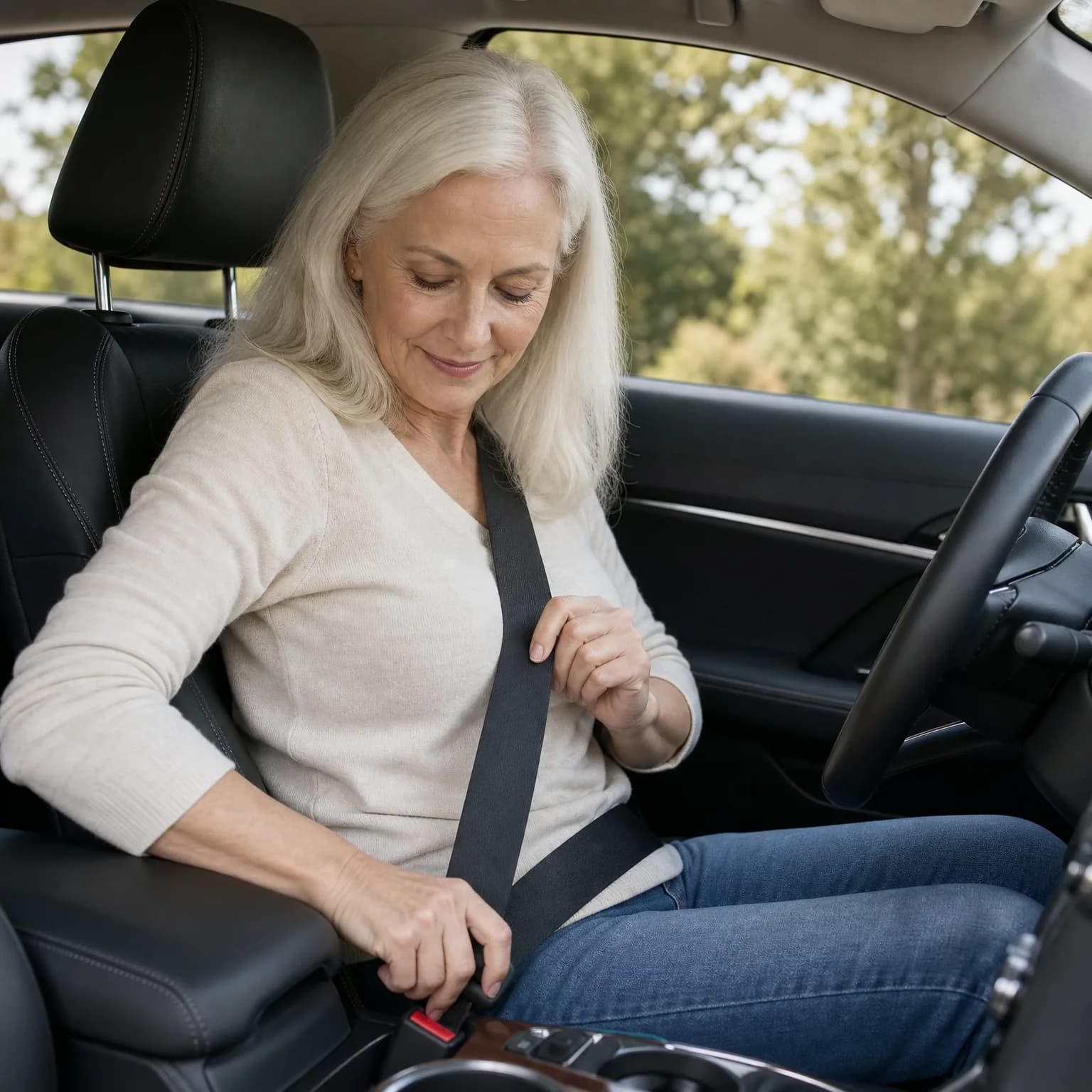
Your New Hampshire auto policy includes a disclosure requirement buried in the conditions section: you must notify the carrier of any change in residence, garaging address, or principal place of use. Spending 4-6 months in Florida every winter qualifies as a change in principal place of use, even if you maintain your New Hampshire domicile and voter registration.
Most carriers define principal place of use as where the vehicle is garaged overnight most frequently during the policy term. If you're in Florida from November through April, that's 6 months — more than half the year. The carrier has the right to re-rate your policy based on Florida garaging zip code, apply Florida coverage requirements, and adjust your premium to reflect Florida loss costs.
Disclosure means contacting your agent or carrier before your first Florida trip and requesting either a policy endorsement that extends coverage to Florida garaging or a switch to a true snowbird policy that covers both states explicitly. Silence is not compliance. Assuming your existing policy covers you is not disclosure.

How Carriers Discover Non-Disclosure After a Claim
When you file a claim in Florida, the carrier pulls the accident report, which lists your location and the vehicle's Florida license plate if you've registered there. If the report shows you as a Florida resident but your policy lists New Hampshire as the garaging state, the carrier opens a residency investigation.
They request utility bills, credit card statements, property tax records, and EZ-Pass data to establish where you actually spent the last 6-12 months. If evidence shows you spent more than 90 consecutive days in Florida without updating your policy, they can rescind coverage for the claim period based on misrepresentation of material fact.
The financial consequence is total claim denial — meaning you pay out of pocket for the other driver's injuries and vehicle damage in an at-fault accident, or you receive nothing for your own vehicle in a comprehensive or collision claim. For a severe injury accident in Florida, that exposure can exceed $100,000.
What a Proper Snowbird Policy Covers That a New Hampshire Policy Doesn't
A snowbird auto policy is underwritten with explicit dual-state coverage: it lists both your New Hampshire summer address and your Florida winter address as covered garaging locations, rates the premium based on the higher-risk state (usually Florida), and applies the higher of the two states' minimum liability limits.
Most snowbird policies are written by carriers with multi-state licensing and claims networks in both states: State Farm, Progressive, GEICO, Allstate, Nationwide, and Travelers all offer snowbird endorsements or dual-state policies. The premium typically increases 15-30% compared to a New Hampshire-only policy because Florida loss costs are higher, but the coverage is continuous and enforceable in both states.
The policy also eliminates the registration ambiguity. You can maintain New Hampshire registration year-round as long as you disclose the Florida garaging period, or you can register in Florida and list New Hampshire as a secondary garaging location. Either structure works as long as the policy reflects the actual use pattern.

Get Covered in Both of Your Home States
Compare Snowbird Auto Insurance Rates
The Registration Trigger Most Snowbirds Miss
Florida Statutes Section 320.02 requires anyone who is "employed or engaged in any trade, profession, or occupation in Florida" or who has resided in Florida for more than 90 consecutive days to register their vehicle in Florida within 10 days of establishing residency. The 90-day clock starts when you arrive, not when you decide to stay.
If you rent the same Florida condo every year from November 1 through April 30, you cross the 90-day threshold on February 1. At that point, Florida law requires you to register your vehicle in Florida, obtain a Florida driver license, and carry Florida minimum liability limits of $10,000 per person / $20,000 per accident for bodily injury and $10,000 for property damage.
Most New Hampshire snowbirds ignore this requirement because New Hampshire doesn't require registration for the return trip north. But Florida enforces it. If you're pulled over in Florida in March with New Hampshire plates and a rental lease showing you've been there since November, you can be cited for operating an unregistered vehicle — a moving violation that adds points and increases your insurance premium when reported to New Hampshire DMV.

How to Disclose Your Snowbird Status to Your Carrier Correctly
Contact your agent or carrier at least 30 days before your first trip south. Request a snowbird endorsement or a policy modification that adds Florida as a covered garaging location for the months you'll be there. Provide your Florida address, the dates you'll be in Florida, and confirmation that the vehicle will be garaged at that address overnight.
The carrier will re-rate your policy based on Florida zip code risk factors and issue an updated declarations page listing both addresses. Your premium will increase, but the coverage will be enforceable. Most carriers prorate the Florida rate increase across the full year rather than charging you a higher monthly rate during winter months only.
If your current carrier doesn't offer snowbird coverage or quotes a prohibitive rate increase, shop for a carrier that specializes in multi-state policies. USAA, State Farm, and Nationwide have the strongest snowbird programs for drivers 65 and older. Expect to provide proof of both residences — property tax bills, lease agreements, or utility statements for both states.
What Happens If You've Already Spent Winters in Florida Without Disclosing
If you've been spending 4-6 months in Florida for multiple winters without updating your New Hampshire policy, you have undisclosed material risk. The carrier hasn't rescinded your policy because you haven't filed a claim that triggered an investigation — but the exposure exists.
The correct action now is to disclose your actual use pattern before your next renewal. Contact your agent, explain that you've been wintering in Florida and didn't realize it affected your policy, and request a snowbird endorsement going forward. The carrier cannot retroactively rescind coverage for prior years unless you file a claim during one of those periods and they discover the non-disclosure during investigation.
Most carriers will not penalize you for voluntary disclosure made outside of a claims situation. They'll adjust your premium going forward and issue corrected coverage terms. The risk you're eliminating is a future claim denial based on residency misrepresentation — which would leave you personally liable for damages that could exceed six figures in a severe Florida accident.
Frequently Asked Questions
Do I need Florida car insurance if I spend winters there but keep my New Hampshire residence?
If you spend more than 90 consecutive days in Florida, Florida law treats you as a resident and requires you to register your vehicle and carry Florida minimum liability limits. Your New Hampshire policy must be updated with a snowbird endorsement that covers Florida garaging, or you need a separate Florida policy.
Can my insurance company deny a claim if I didn't tell them I winter in Florida?
Yes. If you file a claim in Florida and the carrier's investigation reveals you spend more than 90 days there without disclosing it, they can deny the claim based on material misrepresentation of your garaging location and residency status.
How much does car insurance increase when you add Florida as a snowbird location?
Most carriers increase premiums 15-30% when you add Florida garaging to a New Hampshire policy, because Florida has higher loss costs and minimum liability requirements. The exact increase depends on your Florida zip code and how many months you spend there.
What proof do I need to show I'm a snowbird and not a permanent Florida resident?
Carriers typically accept property tax bills or lease agreements for both states, utility statements showing active service in New Hampshire during summer months, and a driver license that remains issued by New Hampshire. You need to demonstrate you maintain a genuine residence in both locations.
Related Articles

NH-FL Snowbird Insurance: Mid-Move Coverage Gap Risk
5/19/2026

Maine Snowbird in Florida: What If You Don't Disclose?
5/19/2026

Undisclosed Florida Snowbird Time: Claim Denial Risk
5/19/2026

Ohio Snowbirds: What Happens If You Don't Disclose Florida Time
5/19/2026

Wintering in Florida: New Hampshire Auto Insurance Cost
5/19/2026

NJ Snowbird Didn't Disclose Florida Time: What Happens
5/19/2026