
What Happens If You Don't Disclose Your Arizona Time as a South Dakota Snowbird?
Free to compare
Arizona Tracks Out-of-State Plates Through Automated Systems You Can't See
Arizona Department of Transportation uses automated license plate readers at highway entry points, toll plazas, and major intersections to timestamp when vehicles enter and remain in-state. If your South Dakota-registered vehicle appears in Arizona for more than six months in a calendar year, the system flags your plate and sends a registration compliance notice to your South Dakota address. Most snowbirds never receive these notices because they're in Arizona when the letter arrives at their northern home.
The six-month threshold is calendar-based, not seasonal. Arriving in Arizona on October 1 and staying through April 15 puts you at 196 days, triggering the residency presumption. Arizona Revised Statute 28-2153 defines a resident vehicle as any car physically present in the state for more than six months in a 12-month period, regardless of where the owner claims domicile.
Enforcement isn't random. Border Patrol checkpoints, municipal parking enforcement, and HOA security in snowbird communities routinely report extended-stay out-of-state plates to the Motor Vehicle Division. The penalty for operating an unregistered vehicle in Arizona is $500 plus impound fees, but the insurance consequence is worse.
Your South Dakota Policy May Not Cover You in Arizona After 183 Days
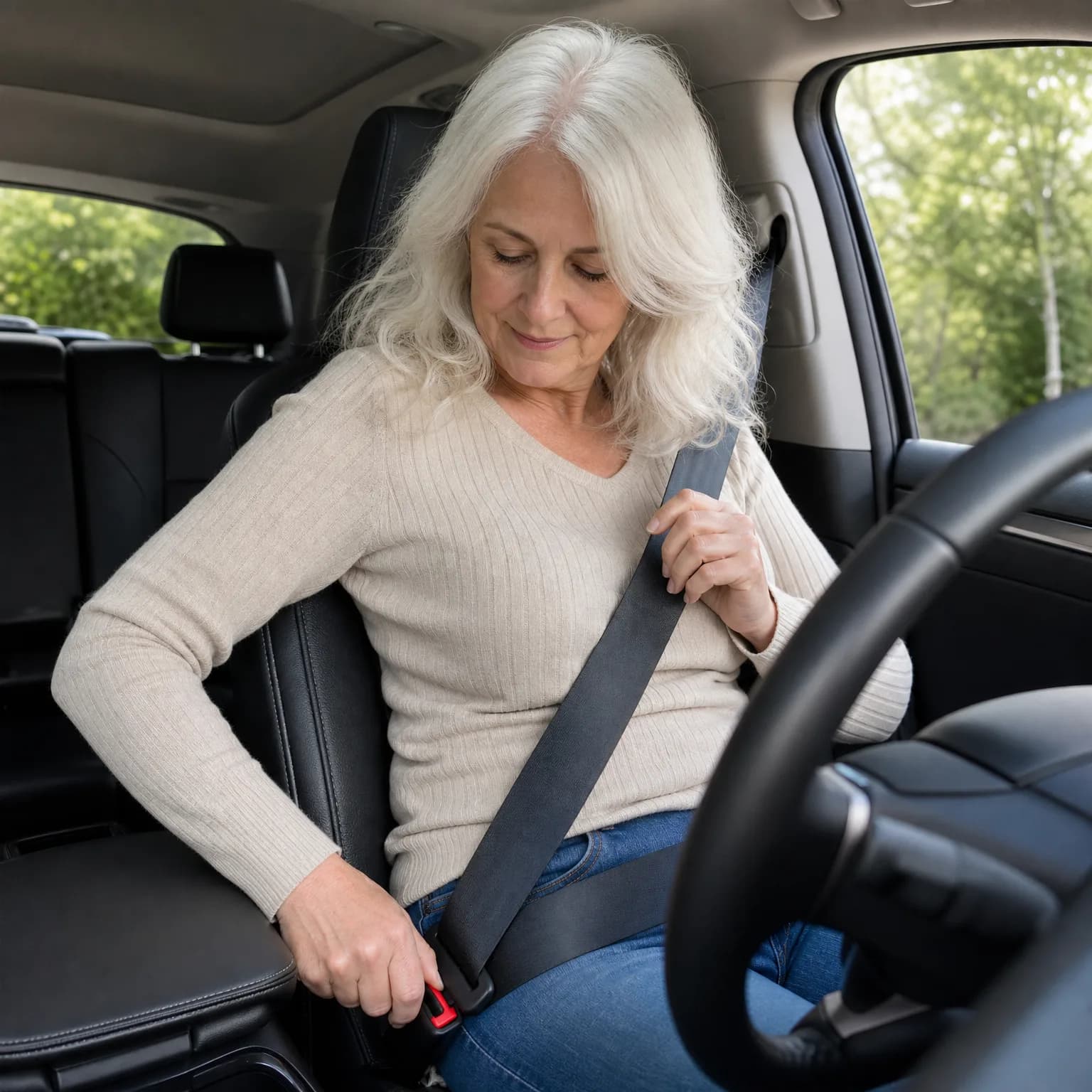
Most auto insurance policies issued in South Dakota contain a residency clause limiting coverage to your state of principal residence. If you spend more than half the year in Arizona, your principal residence shifts under most carrier definitions, even if you maintain South Dakota voter registration and driver's license. Carriers don't send you a notice when this happens. They wait until you file a claim.
When you file a claim after seven months in Arizona, the adjuster pulls your plate reader timestamps, confirms you exceeded the residency threshold, and denies coverage for material misrepresentation of garaging location. This denial applies even to liability claims, leaving you personally liable for the other driver's damages. The industry term for this is post-claim underwriting, and it's fully legal in Arizona.
Some South Dakota carriers writing snowbird policies explicitly allow extended Arizona stays if you disclose the arrangement upfront and pay the Arizona-rated premium. State Farm, GEICO, and Progressive offer seasonal address endorsements that let you maintain a South Dakota policy while disclosing your Arizona time. The premium increases 15 to 30 percent to reflect Arizona's higher collision and uninsured motorist risk, but the coverage remains valid.

Arizona Registration Becomes Mandatory at the 183-Day Mark
Arizona law requires you to register your vehicle and obtain an Arizona driver's license within 30 days of establishing residency. Residency is presumed if you're physically present more than six months per year, own or rent property in Arizona, or claim Arizona as your principal place of abode for income tax purposes. The registration requirement is independent of your South Dakota domicile claim.
Registering in Arizona doesn't forfeit your South Dakota residency for tax or estate purposes, but it does change your insurance rating state. Arizona uses Comprehensive Loss Underwriting Exchange (CLUE) data and collision frequency rates from Maricopa and Pinal counties to price policies, typically 20 to 40 percent higher than South Dakota rates for drivers over 70. This increase reflects Arizona's higher pedestrian accident rate and uninsured motorist exposure in Phoenix and Tucson metro areas.
You can maintain vehicle registration in both states simultaneously if you own two vehicles and spend substantial time in each location. Some snowbirds register their primary sedan in Arizona and keep a second vehicle registered in South Dakota for summer use. This approach requires insuring each vehicle in its registration state, which doubles your policy count but eliminates the residency disclosure problem entirely.

Get Covered in Both of Your Home States
Compare Snowbird Auto Insurance RatesHow Carriers Discover Undisclosed Arizona Time
Insurance fraud investigation units cross-reference your claim location against your declared garaging address. If you file a claim in Scottsdale but your policy lists a Sioux Falls garaging address, the special investigator pulls plate reader data, utility bills, and property tax records to establish your actual residency pattern. Finding six months of Arizona presence voids your policy retroactively.
Carriers also receive residency flags from the Arizona Motor Vehicle Division when you're cited for an unregistered vehicle. The MVD shares enforcement actions with insurance databases including LexisNexis and Verisk, which sell residency mismatch reports to carriers. These reports appear during your policy renewal underwriting review, triggering mid-term cancellation notices for material misrepresentation.
Some carriers send field adjusters to photograph vehicles at claimed garaging addresses during renewal audits. If your car isn't present at your South Dakota address for three consecutive monthly checks during winter, the carrier flags your file for residency verification. The carrier then requires you to provide utility bills, property tax statements, and vehicle location proof before renewing your policy.

What You Should Disclose to Your Carrier Before Leaving South Dakota
Call your carrier before your first trip to Arizona and request a seasonal address endorsement or snowbird coverage rider. Provide your Arizona address, expected arrival and departure dates, and confirm whether the vehicle will be garaged at a residence, RV park, or storage facility. Most carriers rate the policy using a blended premium between South Dakota and Arizona if you split time roughly equally.
Ask whether your carrier writes policies in Arizona. If your South Dakota carrier doesn't operate in Arizona, you'll need to switch to a carrier licensed in both states or maintain separate policies. GEICO, State Farm, Progressive, Allstate, and Nationwide all write in both states and offer snowbird-specific endorsements that maintain continuous coverage across your seasonal moves.
Document your disclosure in writing. Send your carrier an email or online message portal request stating your Arizona address, expected duration, and request for coverage confirmation. Keep the carrier's written response confirming coverage applies in Arizona. This documentation protects you if a future claims adjuster questions whether you disclosed your arrangement.

What to Do If You've Already Spent Six Months in Arizona Undisclosed
Contact your carrier immediately and disclose your current situation. Request a seasonal address endorsement effective from your original Arizona arrival date. Some carriers will apply the endorsement retroactively if you haven't filed any claims during the undisclosed period, though you'll owe the premium difference between South Dakota and Arizona rates for the months already elapsed.
If your carrier refuses retroactive coverage or doesn't write in Arizona, purchase an Arizona policy immediately. You'll have overlapping coverage for a brief period while you cancel your South Dakota policy, but maintaining two active policies for two weeks is cheaper than driving uninsured. Cancel your South Dakota policy effective the date your Arizona policy binds, and request a pro-rated refund for unused premium.
Register your vehicle in Arizona within 30 days of acknowledging residency. The registration process requires a VIN inspection, proof of Arizona insurance, and surrender of your South Dakota title. Arizona charges a vehicle license tax of 2.8 to 2.89 percent of your vehicle's assessed value in year one, decreasing annually. Budget $800 to $1,200 for a vehicle valued at $30,000, plus $32 for title transfer and $8 for registration.
Frequently Asked Questions
Can I keep my South Dakota driver's license if I spend winters in Arizona?
You can keep your South Dakota driver's license for tax and domicile purposes, but Arizona law requires you to obtain an Arizona license within 30 days of establishing residency. Residency is presumed at six months of physical presence per year. Many snowbirds maintain licenses in both states by keeping their South Dakota license current and obtaining an Arizona license once they exceed the six-month threshold.
How does Arizona verify how long my vehicle has been in-state?
Arizona uses automated license plate readers at highway entry points, toll facilities, and major intersections to timestamp when out-of-state vehicles enter and remain in Arizona. The system flags plates exceeding 183 days in a calendar year and sends registration compliance notices to the out-of-state address on file. Border Patrol checkpoints and municipal parking enforcement also report extended-stay plates to the Motor Vehicle Division.
Will my insurance company find out if I don't tell them about my Arizona time?
Yes, through multiple channels. Carriers cross-reference claim locations against your declared garaging address, purchase residency mismatch reports from LexisNexis and Verisk, and receive enforcement flags from the Arizona MVD when you're cited for unregistered vehicle operation. Some carriers send field adjusters to photograph vehicles at claimed garaging addresses during winter months to verify residency.
What happens to my insurance rate if I register in Arizona?
Arizona auto insurance rates for drivers over 70 typically run 20 to 40 percent higher than South Dakota rates, reflecting higher collision frequency and uninsured motorist exposure in Phoenix and Tucson metro areas. The exact increase depends on your garaging ZIP code, vehicle type, and coverage selections. Carriers use Maricopa and Pinal county loss data to price Arizona policies, which drives the premium difference.
Can I register one vehicle in South Dakota and another in Arizona?
Yes, if you own two vehicles and spend substantial time in each state. Register your primary vehicle in Arizona if you exceed six months there annually, and keep a second vehicle registered in South Dakota for summer use. Each vehicle must be insured in its registration state, which requires maintaining two separate policies but eliminates residency disclosure issues entirely.
Related Articles

After 180 Days in AZ: Out-of-State Insurance Rules
5/19/2026

Split vs Full AZ Residency: Twin Cities Snowbird Guide
4/26/2026

One vs Two Policies: Arizona Snowbird Insurance Guide
5/19/2026

Snowbird vs Resident: Arizona Insurance Rules Explained
5/19/2026

After 30 Days in AZ: Out-of-State Policy Coverage
5/19/2026

Split vs Full AZ Residency: Snowbird Insurance Guide
4/26/2026