
When NOT to Move from Twin Cities to Mesa: 5 Insurance Red Flags
Free to compare
You're Still Earning W-2 or 1099 Income in Minnesota
If you receive W-2 wages or 1099 contractor income from a Minnesota employer while spending winters in Arizona, Minnesota typically remains your state of domicile regardless of how many days you spend in Mesa. Carriers tie your garaging address to your declared domicile state, and changing your vehicle registration to Arizona while maintaining Minnesota employment can trigger an immediate policy review or cancellation for address misrepresentation.
Minnesota requires you to maintain in-state vehicle registration if you file state income taxes as a resident, even if you spend up to six months elsewhere. Switching to Arizona registration while keeping Minnesota residency creates a documentation mismatch that surfaces during claims review. The average claim delay for address verification issues runs 18–30 days, and carriers can deny coverage if your registration state doesn't match your policy state at the time of loss.
Seniors who winter in Arizona but consult, do part-time work, or draw income from a Minnesota-based business should keep Minnesota as their primary insurance state until that income stops. Arizona's lower liability minimums won't offset the risk of a coverage denial during a claim.

Your Home and Auto Policies Are Bundled in Minnesota
Bundling home and auto insurance typically saves 15–25% on combined premiums. If you own a home in the Twin Cities and carry homeowners insurance there, adding Arizona vehicle registration forces you to unbundle your policies because carriers can't bundle a Minnesota homeowners policy with an Arizona auto policy across state lines.
Rebundling after a state switch requires shopping both policies simultaneously in Arizona, and you lose your multi-policy discount during the transition period. Minnesota bundled rates for a driver over 65 with no violations average $95–$140 per month for liability and comprehensive coverage. Unbundling that policy and rewriting auto-only coverage in Arizona typically runs $110–$160 per month in Mesa and Apache Junction before you factor in the lost homeowners discount.
Carriers also reset your policy tenure when you switch states, which eliminates loyalty discounts that accumulate after three to five years with the same insurer. If you've been with your Minnesota carrier for more than five years, changing to Arizona registration can cost you $200–$400 annually in combined discount loss even if Arizona base rates appear lower.
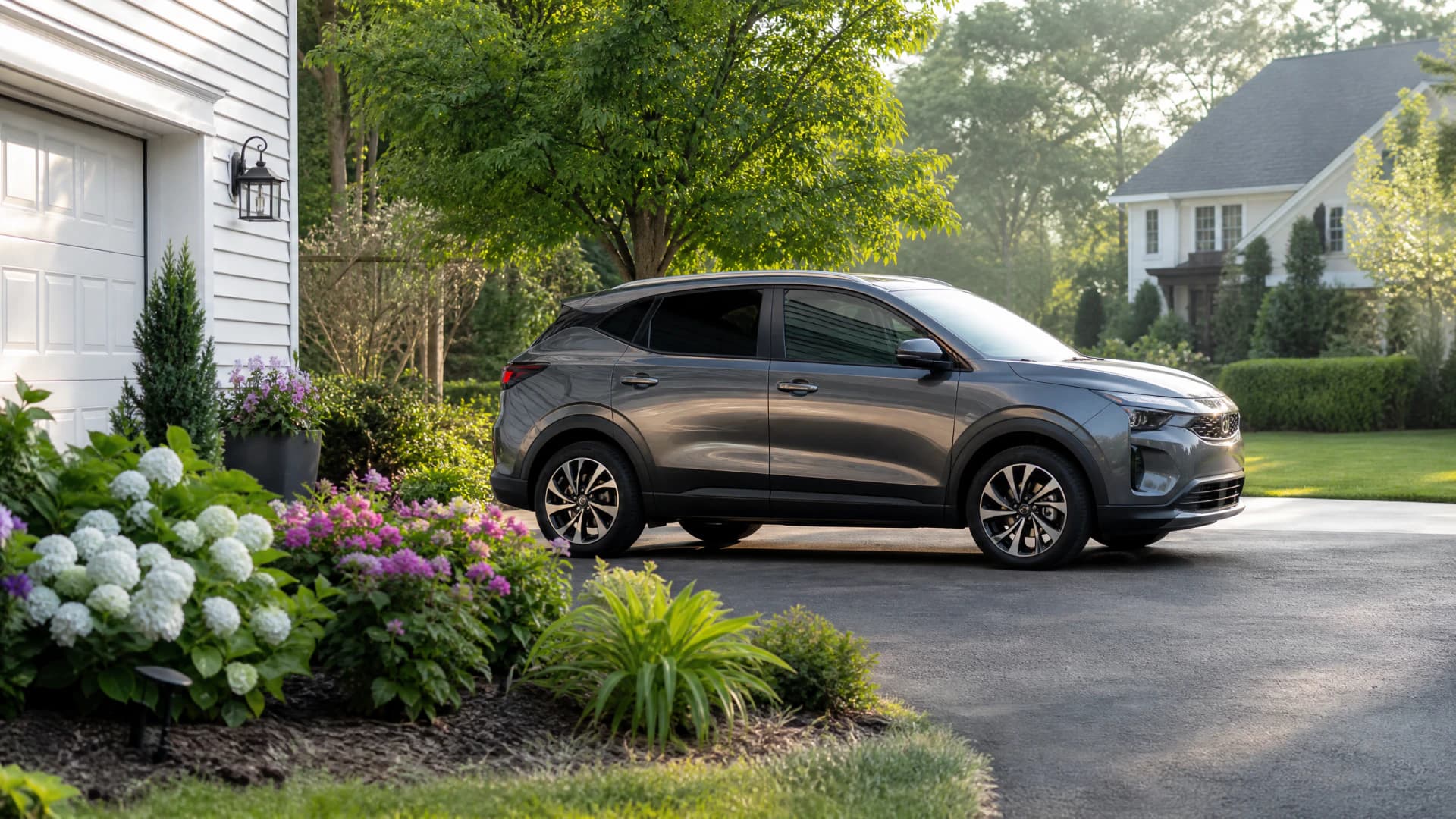

You Drive a Paid-Off Vehicle Worth Less Than $8,000
Arizona's higher comprehensive claim frequency in Maricopa County makes collision and comprehensive coverage more expensive than in Minnesota's metro counties, particularly for older vehicles. If you drive a 2010–2015 model worth $5,000–$8,000, collision and comprehensive premiums in Mesa often exceed the vehicle's actual cash value within two policy terms.
Minnesota collision coverage for a vehicle in this value range averages $35–$50 per month for drivers over 65 with clean records. Arizona charges $55–$75 per month for the same coverage in Mesa due to higher theft rates and monsoon hail damage claims. Over 12 months, you pay $240–$300 more for coverage on a vehicle you could replace out-of-pocket for less than the two-year premium total.
Seniors who own their vehicles outright and maintain emergency savings of $8,000 or more often drop collision and comprehensive coverage entirely, carrying only the state-required liability minimums. Minnesota's higher liability minimums actually provide better protection in this scenario because you're not paying for physical damage coverage you don't need while maintaining stronger bodily injury limits.

Get Covered in Both of Your Home States
Compare Snowbird Auto Insurance RatesYou Use Your Vehicle to Tow a Travel Trailer Between States
Towing a travel trailer between Minnesota and Arizona requires specific coverage for both the tow vehicle and the trailer itself, and changing your vehicle registration to Arizona while your trailer remains registered in Minnesota creates a coverage gap most carriers won't bridge. Arizona requires separate recreational vehicle liability coverage for trailers over 1,500 pounds, while Minnesota allows you to extend your auto policy liability to cover an attached trailer.
If you re-register your truck in Arizona but leave your travel trailer registered in Minnesota, your Arizona auto policy won't extend liability coverage to the Minnesota-plated trailer during the towing period. You need a separate Minnesota recreational vehicle policy for the trailer, which eliminates any savings from switching your truck registration to Arizona. The combined cost of an Arizona auto policy plus a Minnesota RV policy runs 20–35% higher than keeping both vehicles registered and insured in Minnesota.
Carriers also restrict coverage during the actual transit period between states. Most policies cover you for up to 30 days while relocating, but if you spend three to four weeks driving between the Twin Cities and Mesa with stops along the route, you can exceed the transit coverage window. Minnesota policies written for snowbird use typically extend transit coverage to 45 days, while Arizona policies assume you're already resident and limit out-of-state coverage to 30 days maximum.

You Plan to Return to Full-Time Minnesota Residency Within Three Years
Switching vehicle registration to Arizona locks you into Arizona insurance rates for a minimum of 12 months, and most carriers require you to maintain coverage for at least two full policy terms before allowing you to transfer back to Minnesota without underwriting review. If you're testing the snowbird lifestyle or expect to return to Minnesota full-time when a spouse retires or for health reasons, changing registration now creates unnecessary administrative friction and potential rate increases when you switch back.
Minnesota treats returning residents who previously held in-state registration as new customers if they've been out-of-state for more than 24 months. You lose your prior policy history, your claims-free discount tenure resets, and you're re-underwritten as a new applicant. Drivers over 70 face higher scrutiny during new-applicant underwriting, and a gap in Minnesota insurance history can trigger mandatory driver record reviews that wouldn't apply to continuous customers.
Keeping Minnesota registration and adding Arizona as a seasonal garaging address maintains your policy continuity and preserves your option to return without re-establishing residency documentation. Most Minnesota carriers allow you to list a secondary Arizona address for up to six months per year without changing your primary garaging state, and your premiums reflect a blended rate that accounts for time spent in both locations. This approach costs $15–$30 more per month than a pure Minnesota rate but avoids the full Arizona rate increase and keeps your return path clear.
Frequently Asked Questions
Can I keep Minnesota insurance if I spend more than six months in Arizona?
Minnesota allows you to maintain vehicle registration and insurance as long as you file Minnesota state income taxes as a resident, regardless of time spent elsewhere. If you declare Arizona as your tax domicile or spend more than 183 days there in a calendar year, Arizona considers you a resident and requires you to register your vehicle within 30 days of establishing residency.
Will my Minnesota car insurance cover me while I'm driving in Arizona for the winter?
Minnesota auto policies cover you in all 50 states, and most carriers allow you to list Arizona as a seasonal garaging address for up to six months per year without changing your primary policy state. Your coverage, limits, and deductibles remain the same regardless of which state you're driving in.
How do I add my Mesa winter address to my Minnesota car insurance policy?
Call your carrier or agent and request to add Arizona as a secondary garaging address with the specific dates you'll be there each year. Most carriers process this as a policy endorsement without rewriting the entire policy, and your premium adjusts to reflect the blended risk of both locations.
What happens to my car insurance rates if I switch from Minnesota to Arizona registration?
Arizona base rates in Mesa and Apache Junction average 10–20% lower than Twin Cities rates for liability coverage, but comprehensive and collision premiums run 15–30% higher due to theft and weather-related claims. Seniors who unbundle home and auto policies or lose loyalty discounts often see net increases of $200–$400 annually despite lower Arizona base rates.
Related Articles

Twin Cities to Sun City: When to Switch Auto Insurance
4/26/2026

MN to AZ Auto Insurance at 75–85: Snowbird Rules
4/26/2026

Minnesota to Arizona Snowbird Insurance: 90-Day Rule
4/26/2026

Cheapest Snowbird Auto Insurance: Minnesota to Arizona
5/19/2026

Arizona Winters & Minnesota Insurance: Snowbird Guide
5/19/2026

When NOT to Move Registration from MN to Sun City AZ
4/26/2026