
Who Counts as a Snowbird vs a Resident Under Mississippi Insurance Rules
Free to compare
Mississippi Defines Residency by Intent, Not Calendar Days
Mississippi does not use a strict day-count threshold to determine residency for vehicle registration or insurance purposes. You are considered a resident if Mississippi becomes your principal place of abode — the state where you intend to return and remain. Spending six consecutive months here does not automatically convert you to a resident if you maintain a permanent home, voter registration, and driver's license in another state.
The Mississippi Department of Revenue looks at the totality of circumstances: where you vote, where you file taxes as a resident, where your driver's license is issued, and whether you claim Mississippi as your domicile. A snowbird who winters in Mississippi from November through April but maintains a legal residence in Michigan, Ohio, or Indiana remains a non-resident under Mississippi law as long as the out-of-state home is the permanent base.
This matters because non-residents are not required to register their vehicle in Mississippi or obtain Mississippi auto insurance, even during extended seasonal stays. Your home-state registration and insurance remain valid. Mississippi law allows non-residents to drive legally on out-of-state plates and coverage as long as those credentials are current.

Your Carrier May Use a Different Residency Threshold Than Mississippi Law
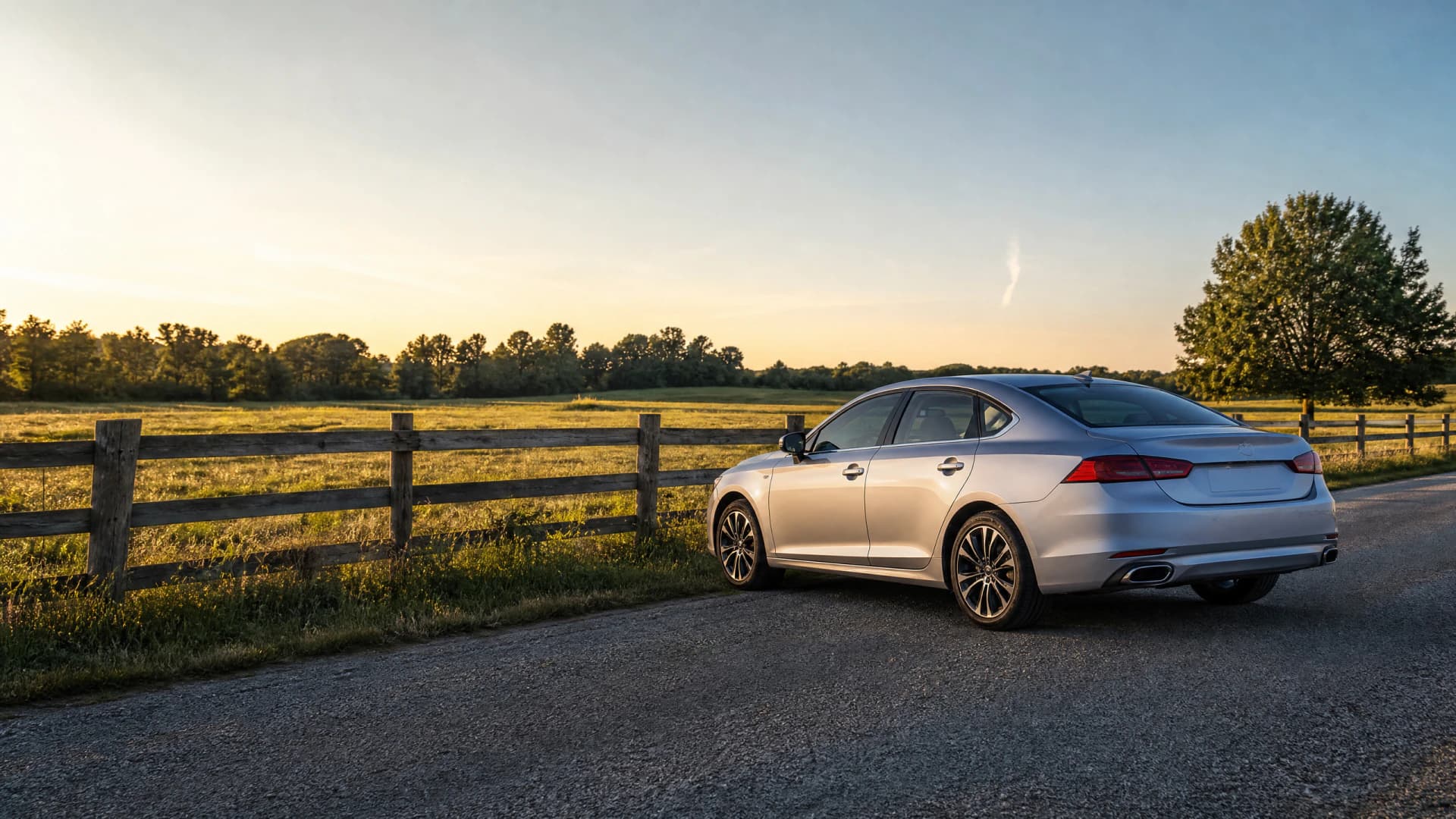
Mississippi state law and your insurance carrier's underwriting rules do not always align. Most carriers define residency for rating and coverage purposes by where the vehicle is principally garaged — the address where it is parked overnight most of the year. If your car spends November through April in a Mississippi RV park, rental property, or relative's driveway, the carrier may consider it principally garaged in Mississippi, even if you are legally a non-resident under state law.
This discrepancy creates a gap most snowbirds miss. Your policy remains valid and will pay claims in Mississippi, but if the carrier determines during a claim investigation that the vehicle has been principally garaged in Mississippi without notification, they may reduce the payout or deny coverage for misrepresentation of garaging location. The denial is not based on residency status — it's based on the vehicle's actual location not matching the garaging address on the policy.
Some carriers require notification if a vehicle will be garaged at a different address for more than 30, 60, or 90 consecutive days. The threshold is carrier-specific and appears in the policy language, often in the section titled Duties After An Accident or Coverage Territory. Most snowbirds never read this section and assume their existing policy covers them automatically.

How to Handle Insurance as a Snowbird Without Changing Legal Residency
The cleanest approach is to notify your current carrier before you leave for Mississippi and provide the seasonal address where the vehicle will be garaged. Most carriers will add the Mississippi address as a secondary garaging location without requiring you to change your policy state or registration. This notification protects you from a garaging location dispute if you file a claim while in Mississippi.
Some carriers will re-rate your policy when you add the Mississippi garaging address, particularly if Mississippi's rate environment differs significantly from your home state. Rates may increase or decrease depending on the ZIP code, theft rates, and loss history in the area where you park. The rate adjustment is usually prorated to the months you spend in Mississippi, not applied to the full annual premium.
If your current carrier does not write policies in Mississippi or refuses to cover a secondary garaging address, you have three options. You can switch to a carrier that writes in both states and allows multi-state garaging. You can purchase a separate six-month Mississippi non-resident policy and suspend coverage in your home state during the winter. Or you can remain with your current carrier and accept the risk that a claim during your Mississippi stay may trigger a coverage dispute. The third option is common, but it is not a clean solution.

Get Covered in Both of Your Home States
Compare Snowbird Auto Insurance RatesWhen You Must Register and Insure in Mississippi
You are required to register your vehicle in Mississippi and obtain Mississippi insurance if you establish legal residency, accept employment in Mississippi, or enroll a dependent in a Mississippi public school. These actions signal that Mississippi has become your principal place of abode, regardless of how many months you spend here.
Once you register the vehicle in Mississippi, you must obtain a Mississippi auto insurance policy that meets the state's minimum liability limits: $25,000 per person for bodily injury, $50,000 per accident for bodily injury, and $25,000 per accident for property damage. Your out-of-state policy no longer satisfies Mississippi's financial responsibility law once you hold Mississippi plates.
Snowbirds who work remotely, receive retirement income, or are otherwise not employed in Mississippi are not required to change residency or registration based solely on the length of their stay. The registration requirement is triggered by intent to remain, not by calendar days. If you maintain your legal residence and voter registration elsewhere, you remain a non-resident under Mississippi law.

What Happens If You Get Pulled Over or File a Claim in Mississippi
Mississippi law enforcement recognizes valid out-of-state registration and insurance during a traffic stop. If your vehicle is registered in Michigan and insured under a Michigan policy, a Mississippi officer will verify coverage through the interstate insurance database and will not cite you for lack of Mississippi credentials, provided you are a non-resident.
If you file a collision, comprehensive, or liability claim while in Mississippi, your carrier will investigate where the vehicle was principally garaged at the time of the loss. If the claim occurs in January and you arrived in November, the adjuster will ask where the vehicle has been parked, how long you have been in Mississippi, and whether you notified the carrier of the seasonal address. If you did not notify them and the vehicle has been in Mississippi for 60 or 90 days, the carrier may dispute the claim based on material misrepresentation of garaging location.
This is the most common failure mode for snowbird insurance. The policy does not exclude Mississippi from the coverage territory, but it excludes coverage when the policyholder fails to disclose a change in garaging location that would have affected the underwriting or rating. The exclusion is enforceable in Mississippi, and disputes over garaging location are difficult to win without documentation that you notified the carrier before the claim.

Which Carriers Write Policies That Cover Snowbird Situations Cleanly
Most national carriers write policies in both Mississippi and northern snowbird-origin states and will add a secondary garaging address without requiring a full policy transfer. State Farm, Allstate, GEICO, Progressive, Nationwide, and USAA all allow policyholders to add a seasonal Mississippi address to an existing out-of-state policy, though each carrier's underwriting rules and rate adjustments differ.
Some carriers limit multi-state garaging to six months per location. If you spend more than six months in Mississippi, the carrier may require you to designate Mississippi as the primary garaging state and re-issue the policy under Mississippi rates and regulations. Other carriers allow an even split and will rate the policy as a weighted average of both states.
If you are currently insured with a regional carrier that does not write in Mississippi, you will need to either switch to a national carrier that writes in both states or purchase a separate six-month Mississippi policy and suspend your home-state policy during the winter. The suspension option requires careful coordination to avoid a coverage gap, and not all carriers allow mid-term suspension without canceling the policy entirely.
Frequently Asked Questions
Do I need Mississippi car insurance if I spend six months there every winter?
No, if you remain a legal resident of another state and keep your vehicle registered there. Mississippi allows non-residents to drive on out-of-state plates and insurance. However, you should notify your current carrier that your vehicle will be garaged in Mississippi seasonally to avoid a garaging location dispute if you file a claim.
Can my insurance company deny a claim if I don't tell them I'm in Mississippi for the winter?
Yes, if your policy requires notification of a garaging address change and you spend more than the carrier's threshold period in Mississippi without notifying them. Most carriers allow 30 to 90 consecutive days at a different address before requiring notification. The denial is based on material misrepresentation of garaging location, not on being out of state.
Will my car insurance rates go up if I add a Mississippi address?
It depends on the Mississippi ZIP code where you park and how it compares to your home-state garaging address. Some carriers will re-rate the policy to reflect the risk profile of both locations, prorating the adjustment to the months spent in each state. Others will not adjust rates if the secondary address is used fewer than six months per year.
What counts as establishing residency in Mississippi for insurance purposes?
Mississippi considers you a resident if you accept employment in the state, enroll a dependent in public school, register to vote, or file state income tax as a resident. Calendar days alone do not establish residency. Snowbirds who maintain a permanent home and legal residence elsewhere remain non-residents under Mississippi law, even if they spend six months in the state annually.
Do I need to register my car in Mississippi if I buy a winter home there?
Not unless you establish legal residency. Owning property in Mississippi does not require you to register your vehicle or change your driver's license if you maintain a permanent residence in another state. You are required to register in Mississippi only if Mississippi becomes your principal place of abode, indicated by voter registration, tax filing status, or employment.
Related Articles

Mississippi Resident Auto Rates for Snowbirds: Eligibility
5/19/2026

Louisiana Snowbird Insurance Rules: Resident or Visitor?
5/19/2026

Snowbird vs Resident: Alabama Insurance Residency Rules
5/19/2026
Snowbird vs Resident Insurance Rules in Georgia
5/19/2026
Snowbird vs NV Resident: Insurance Rules Explained
5/19/2026

NC Snowbird vs Resident Insurance Rules Explained
5/19/2026