
Worcester to The Villages FL: When to Switch Your Auto Policy
Free to compare
Florida's 183-Day Rule Overrides Your Policy Anniversary Date
Florida law requires registration and insurance in-state the moment you become a resident, defined as spending more than 183 days in Florida during any calendar year. Your Massachusetts policy renewal date has no bearing on this deadline. If you arrive in The Villages on November 1 and stay through May 31, you cross the 183-day threshold around April 30 of the following year — not at your next policy anniversary in August or whenever your current term ends.
Most carriers won't proactively notify you of this timing gap. Your Massachusetts insurer has no legal obligation to track your residency status in Florida, and your Florida agent won't know you exist until you contact them. The responsibility to switch falls entirely on you, and the penalty for missing it is a $500 fine for operating uninsured under Florida Statute 316.646, even though you carry valid coverage in Massachusetts.
The safest approach: initiate your Florida policy switch 30 days before you expect to hit 183 days in-state. This gives you margin for processing delays and ensures your Florida policy activates before the legal deadline. If you're moving permanently rather than splitting time seasonally, register and insure in Florida within 10 days of establishing residency to comply with Florida's driver license transfer requirement.

Massachusetts Cancellation Timing Protects Your Continuous Coverage Discount
Canceling your Massachusetts policy the day before your Florida policy activates preserves continuous coverage with no gap. A single day without active insurance resets your continuous coverage clock, which costs most drivers $200–$400 annually in lost discounts across major carriers. Request an exact cancellation date when you bind your Florida policy — don't assume carriers will coordinate this automatically.
If you're keeping your Worcester property and returning seasonally, you have two options. Maintain both policies year-round, with your Massachusetts policy covering a vehicle registered there and your Florida policy covering a vehicle registered in Florida. Or switch to a single non-owner policy in Massachusetts while you're away, then reinstate full coverage when you return. The dual-policy approach costs $1,200–$1,800 more per year but eliminates the reinstatement process and protects your Massachusetts loyalty discount if you've been with the same carrier for decades.
Never let your Massachusetts policy lapse without replacement coverage active. Even if you're not driving the vehicle, a lapse appears on your insurance history and raises your rate at every carrier for the next three years.


How Your Rate Changes When You Switch from Worcester to The Villages
Florida's base rates run 15–25% higher than Massachusetts for drivers over 65, primarily due to higher uninsured motorist rates and severe weather risk. A Worcester driver paying $95/mo for full coverage with a clean record typically sees quotes in the $110–$125/mo range for comparable coverage in The Villages. That gap widens if you're switching from a Massachusetts carrier with a longstanding loyalty discount to a new Florida carrier where you start as a new customer.
Florida requires $10,000 in personal injury protection (PIP) and $10,000 in property damage liability as minimums — no bodily injury liability minimum exists under current state law. Massachusetts requires $20,000/$40,000 in bodily injury liability and $5,000 in property damage. If you've carried higher limits in Massachusetts, most agents recommend maintaining or increasing them in Florida given the state's high uninsured motorist rate, but reducing your liability limits to Florida's statutory minimum will drop your premium $20–$35/mo.
Request quotes from your current Massachusetts carrier's Florida division first. State Farm, Geico, Progressive, and Liberty Mutual all operate in both states, and transferring within the same company preserves some tenure-based pricing even though the policy itself is new. Expect to re-qualify for senior discounts in Florida — your Massachusetts mature driver course certificate won't transfer automatically, but completing Florida's 6-hour mature driver improvement course restores the discount and costs $25–$40 online.

Get Covered in Both of Your Home States
Compare Snowbird Auto Insurance RatesWhich Address You Use Determines Where You Must Register
Florida defines your primary residence as the address where you spend the majority of the year. If you're in The Villages for 7 months and Worcester for 5 months, Florida is your primary residence and your vehicle must be registered there. Your voter registration, driver license, and vehicle registration must all match your primary residence state — using your Worcester address on your license while registering your car in Florida creates a documentation conflict that can void your policy during a claim.
Some drivers attempt to maintain Massachusetts registration year-round to avoid Florida's registration fees and higher insurance rates. This works only if Massachusetts remains your primary residence, meaning you spend at least 183 days there per calendar year. If Florida becomes your primary residence and you continue using your Massachusetts registration, you're technically operating an unregistered vehicle in Florida, which carries a $500 fine and potential policy cancellation if discovered during a traffic stop or claim.
If you're genuinely splitting time 50/50 between states, document your travel dates. Keep records of utility bills, credit card statements, and any other evidence showing how many days you spent in each state during the year. This documentation protects you if a carrier or state agency later questions your registration choice.

What Happens to Your Massachusetts Vehicle When You Leave
If you're leaving a second vehicle in Worcester while you winter in Florida, it still requires insurance. Canceling coverage entirely violates Massachusetts law even if the car sits unused in your garage. Your options: maintain full coverage year-round at $75–$110/mo, switch to comprehensive-only coverage at $25–$40/mo, or transfer the vehicle to a family member's policy if someone else will be using it while you're away.
Comprehensive-only coverage protects against theft, vandalism, weather damage, and animal strikes but provides no liability coverage. This works only if the vehicle will not be driven at all during your absence. The moment anyone drives it — even to move it in the driveway — full coverage is legally required. If you're keeping the vehicle operational for occasional visits back or for family use, maintain liability and collision coverage to avoid a gap.
Some Worcester drivers store their vehicle and cancel insurance entirely, then reinstate coverage when they return in spring. This creates a lapse on your record and costs you $200–$400 in lost continuous coverage discounts when you reinstate. The annual savings from 6 months without insurance rarely offsets the three-year rate penalty from the lapse.
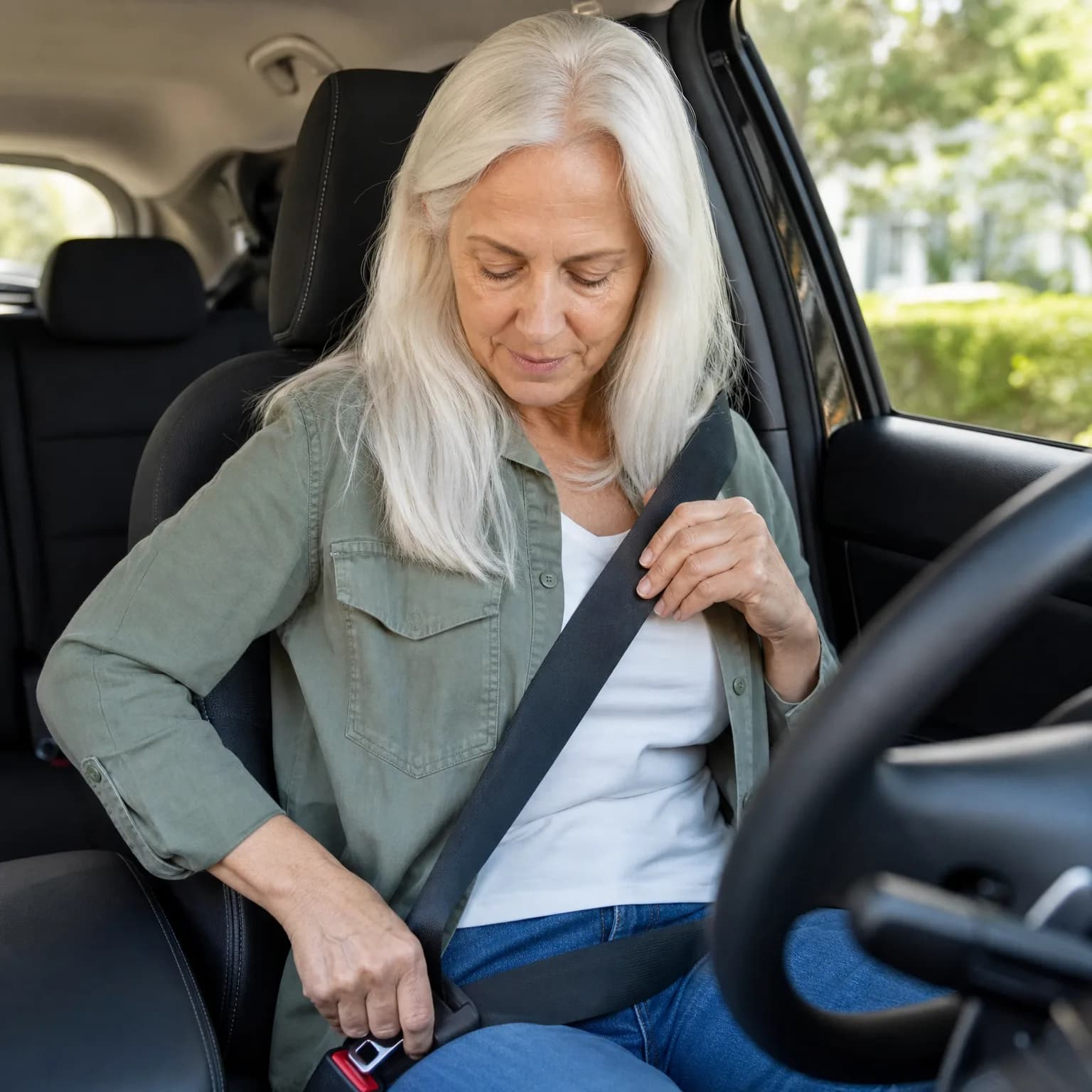
How to Handle the Policy Switch Without a Coverage Gap
Bind your Florida policy with a start date 30 days before you expect to hit 183 days in-state. Provide your Florida address, your new Florida driver license number once obtained, and your vehicle's current Massachusetts registration. Most carriers allow you to bind coverage before you complete Florida vehicle registration, but your policy will require proof of Florida registration within 30–60 days of the effective date or face cancellation.
Once your Florida policy is active, call your Massachusetts carrier and request cancellation effective the day before your Florida policy started. Request a pro-rated refund for the unused portion of your Massachusetts term. If you paid $570 for a six-month term and you're canceling 90 days early, you're owed a $285 refund minus any cancellation fee, typically $25–$50. Confirm the cancellation date in writing to ensure no gap appears on your record.
Complete Florida vehicle registration within 10 days of establishing residency. Bring your Massachusetts title, proof of Florida insurance, proof of Florida residency (utility bill or lease agreement), and payment for registration fees, typically $225–$280 depending on the vehicle's weight. Submit your new Florida registration to your insurance carrier immediately — coverage can be suspended if the carrier doesn't receive proof of registration within the timeframe specified in your policy.
Frequently Asked Questions
Can I keep my Massachusetts insurance if I spend winters in Florida?
You can keep Massachusetts insurance only if Massachusetts remains your primary residence, meaning you spend 183 days or more there per calendar year. If Florida becomes your primary residence based on time spent in-state, Florida law requires you to register and insure your vehicle there regardless of where your policy originated.
Do I need to register my car in Florida if I'm only there for 6 months?
Yes, if those 6 months plus any other time in Florida during the same calendar year total more than 183 days. Florida counts cumulative days per calendar year, not per visit. Spending November through April in Florida equals 181 days — adding even 3 days during summer months triggers the registration requirement.
Will my car insurance rate go up when I move to Florida?
Most drivers over 65 see rates increase 15–25% when switching from Massachusetts to Florida for comparable coverage. Florida's higher uninsured motorist rate and severe weather risk drive base rates higher, and switching carriers eliminates any loyalty discount you earned in Massachusetts unless you transfer to the same company's Florida division.
What happens if I get pulled over in Florida with Massachusetts plates after becoming a resident?
Florida law enforcement can issue a $500 citation for operating an unregistered vehicle if you meet Florida's residency definition but haven't transferred your registration. If you're involved in an accident, your Massachusetts insurer may deny the claim if they determine Florida was your primary residence at the time and your vehicle should have been registered there.
How long does it take to switch car insurance from Massachusetts to Florida?
Binding a new Florida policy takes 24–48 hours once you provide proof of Florida residency and complete the application. Plan for 30 days total to complete the full sequence: obtain your Florida driver license, bind Florida insurance, register your vehicle in Florida, and cancel your Massachusetts policy without creating a coverage gap.
Related Articles

Worcester to The Villages FL: Senior Auto Insurance Steps
4/26/2026

Worcester to The Villages FL: Real Insurance Cost Math
4/26/2026

Worcester to The Villages FL: Snowbird Coverage Guide
4/26/2026

When NOT to Move from Worcester to The Villages FL
4/26/2026

Worcester to The Villages FL: Adult Child Insurance Help
4/26/2026

Moving to The Villages FL: When to Switch Your Policy
4/26/2026